The Saturday List: 10 Times the Musical Challenged Its Dismissal as a Relevant Art Form

Driving in the car this morning, with the original cast recording of Dreamgirls blaring from my speakers, I was reminded just how vital and versatile an art form the musical is. Although many people dismiss the musical as a relevant form of artistic expression, the musical can easily hold its own alongside any form of theatre you might care to mention. So I thought that today, I might put together a Saturday list of just ten times musicals have been completely in step with the world around them, ten times the musical did more than simply entertain – despite its easy dismissal by those with limited points of reference when it comes to this glorious form of theatre.

10. Dreamgirls

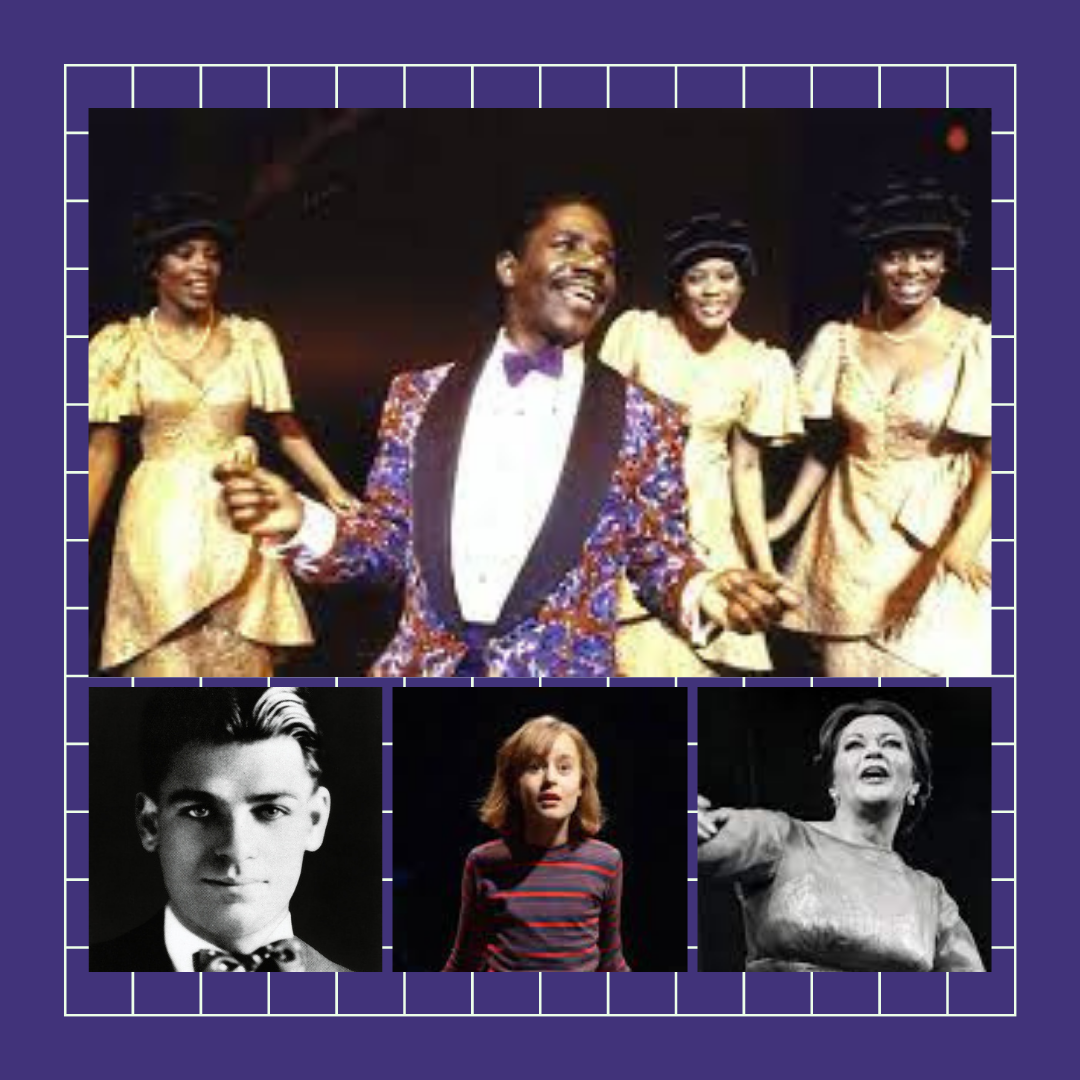
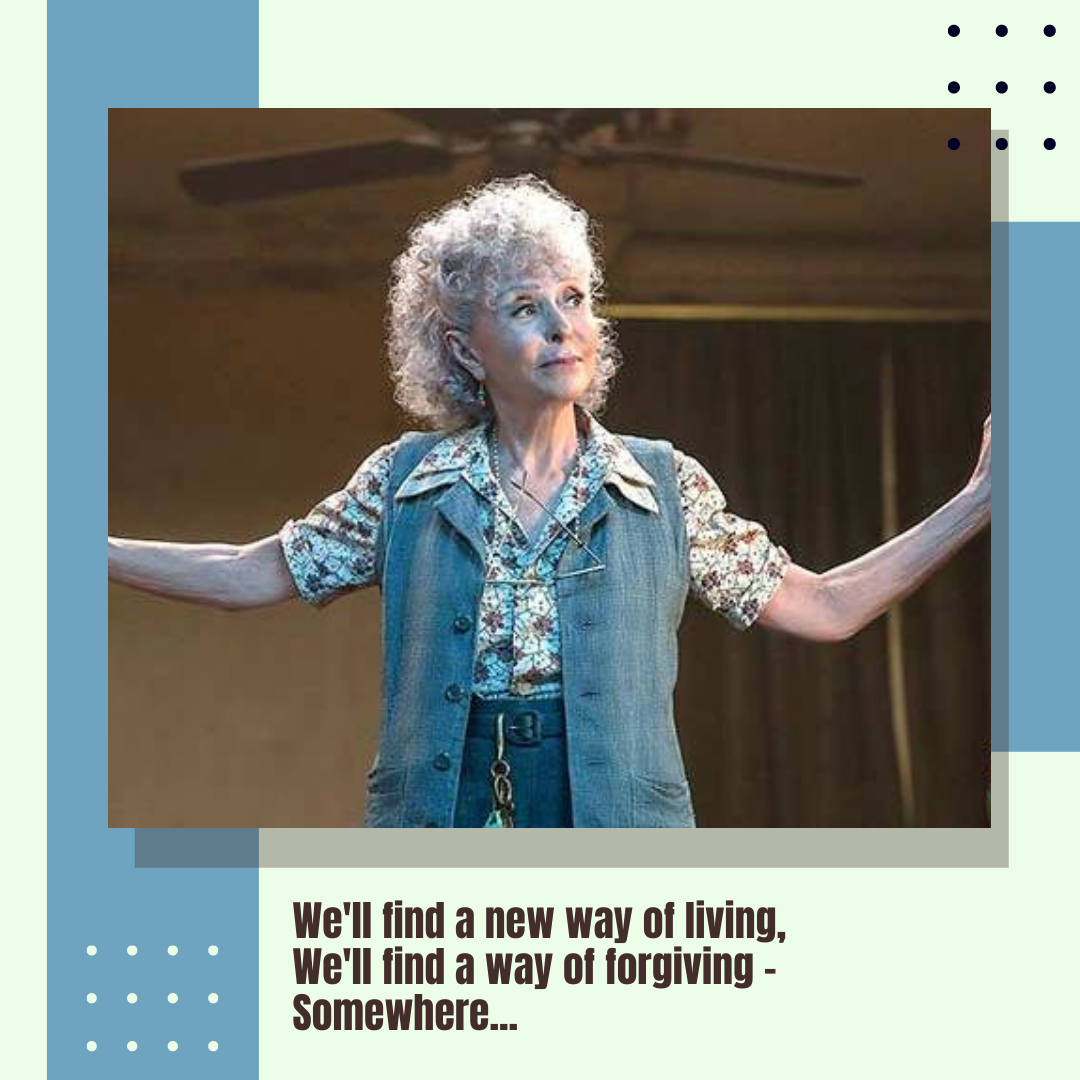
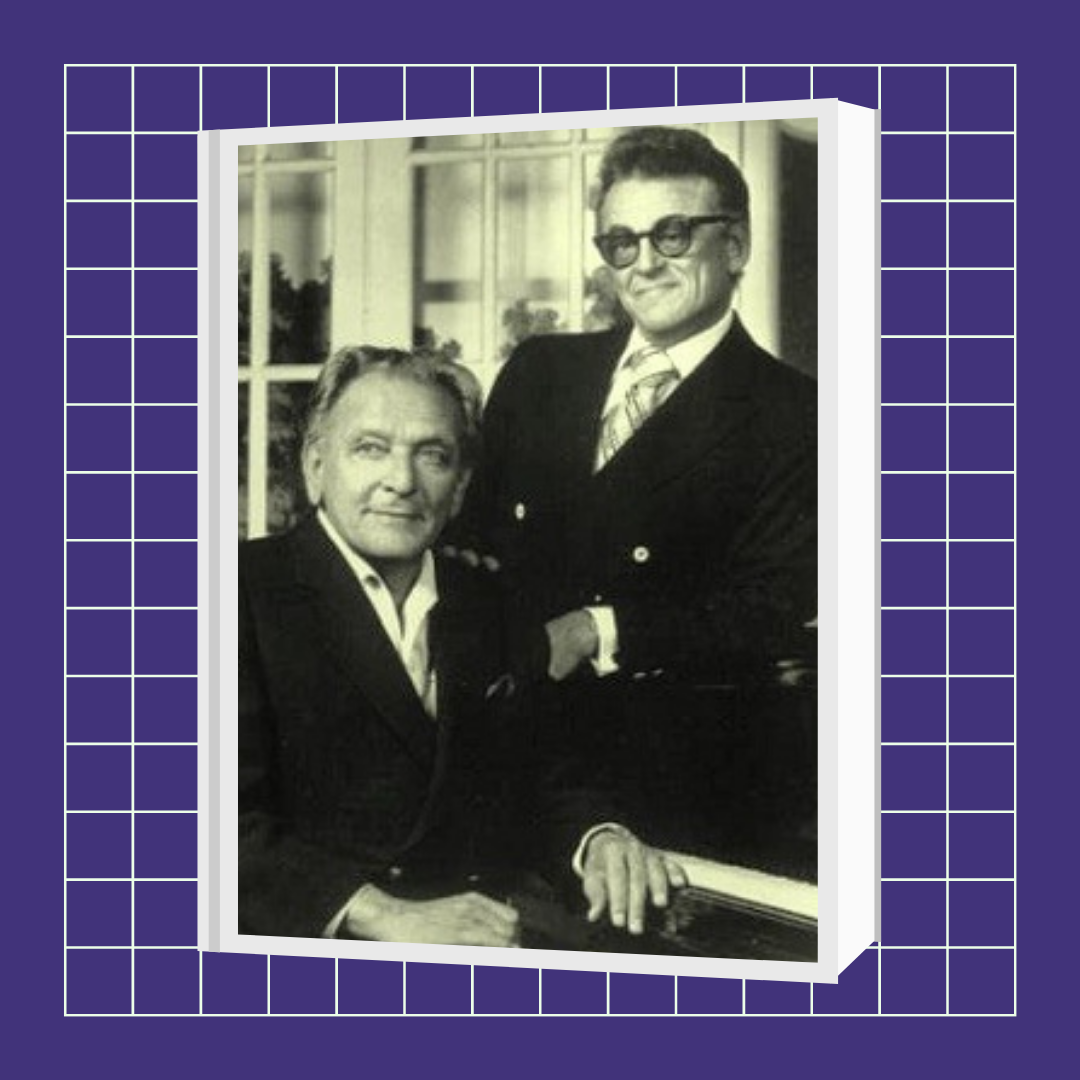
Let’s start with the song that made me think about all of this in the first place. I was grooving along with Effie and company when “Cadillac Car” started playing. There’s been so much to read online about cultural appropriation recently, but I had forgotten how directly Henry Krieger and Tom Eyen address the issue in this musical and in this song in particular. This is even more remarkable when one considers that Dreamgirls was written in 1981! The film version, from which the clip below is taken, softens the commentary a little without losing it completely, so you’ll have to track down a copy of the original Broadway cast recording if you want to absorb the full impact of Krieger and Eyen had to say – or better yet, catch a production of the show when it’s playing near you.


9. Fun Home

More than ever, the worth of open honesty about gender identity in the world that we live in is being affirmed, even though there are still many challenges to face. One moment of triumphant self-expression can be found in the contemporary Broadway hit, Jeanine Tesori and Lisa Kron’s Fun Home, a song about the recognition of one’s identity: “Ring of Keys”. The performance of that song on mainstream television at the Tony Awards some years ago now, in which the musical’s protagonist Alison, recognizes her kinship with a delivery woman – ‘an old-school butch’ – in a luncheonette, was a special moment. There’s an ever-growing sense that the time for LGBTIQIA+ issues to take centre stage is now, despite the overwhelmingly and sometimes devastatingly different experiences that exist for people who identify as a part of this community internationally. It’s a great pity that this revolutionary work wasn’t awarded the Pulitzer Prize for Drama.

8. Show Boat

Show Boat was a breakthrough musical in terms of weaving serious issues into the fabric of a show. It’s no mistake that the name Oscar Hammerstein II, who created the show in collaboration with Jerome Kern, appears on three musicals in this list. The man knew what musicals could achieve and he had the vision, the courage and the tenacity to shift the form into something more malleable than the operettas, light musical comedies and revues of the day. Show Boat still told a story of enduring love, but it told its tale against a backdrop of racial inequality, miscegenation and racial prejudice, all of which shifted the potential melodrama of its through-line towards tragedy, without ever straying into the pitfalls of the operatic. “Come now,” I hear the sceptics say, “the show is set in the South. It’s impossible for a narrative set in that period not to reference slavery. Besides, it’s a musical. Like Gone With the Wind, Show Boat views the black experience in a cursory and sentimental fashion.” It’s a common misconception that Show Boat deals with slavery; the piece is set some twenty years after the abolition of slavery. What Show Boat addresses, is the dynamics of race relations that came about as a result of the abolition. And while it does not approach the full complexity of black narratives of the time, it did not sugarcoat those experiences either. The hardships faced by Joe and Queenie – characters that are written like real people, not caricatures – are not viewed with a patronizing eye. Interracial marriage was treated seriously, its destruction a biting commentary on the prejudice against black people that raged through the country both in the 1880s and in 1927, the year in which the show premiered. And on the production side, Show Boat was the first musical to feature a cast that was racially integrated from the leads through to the chorus. It was a landmark show that acknowledged the complex social and cultural situation of the time.


7. The Wild Party

There has been no other song since the dawn of the 21st century that has captured the existential crisis of the new millennium as lucidly as Michael John LaChiusa’s “People Like Us” in his version of The Wild Party, created with George C. Wolfe. This adaptation of Joseph Moncure March’s poem achieves something that Andrew Lippa’s simply does not assimilate: it manages to capture the period brilliantly as well as the reason why the poem and its characters still resonate in this day and age. And this song, this meditation on life, exposes humanity’s deepest personal fears to itself. “People Like Us”, like the musical from which it originates, is strident and glorious, a stark reminder of where we’ve come from and where we are.

6. Oklahoma!

In 1943, people were feeling the full force of World War II. It must have been devastating. Seeing your friends and family going off to war. Hearing news about Hitler. Wondering whether peace would ever return. Wondering whether people could ever rise above their differences and circumstances to make a better world. And in the midst of this, Richard Rodgers and Oscar Hammerstein’s Oklahoma! was born – not simply a musical about a picnic, as some would have it, but a musical about the making of community, about building bridges, about contributing to something bigger than yourself. It’s little wonder, then, that Oklahoma! was a smash hit and that it has endured for more than 70 years, enjoying a landmark revival at London’s National Theatre in 1998 where Trevor Nunn reminded picnic-minded naysayers about everything that Oklahoma! has to offer.

5. District Six

Sometimes, it’s easy to forget that Broadway isn’t the be-all and end-all of musical theatre. Internationally, musical theatre also looks the world around it directly in the eye, and District Six: the Musical is one such example. Broadway babies will most likely know David Kramer and Taliep Petersen by Kat and the Kings, their show which ran on Broadway in 1999. Kat and the Kings, like Kramer’s more recent adaptation of Willy Russell’s Blood Brothers, was also a story set in District Six, the residential area in Cape Town from which more than 60 000 residents were forcibly removed during the 1970s at the hands of the apartheid regime. Neither Kat and the Kings nor Blood Brothers captured the edginess of Kramer and Petersen’s original collaboration, which brought together, during apartheid, diverse audiences in the theatre, highlighted the trials and tribulations of those who were affected by forced removals and served as a springboard for the careers of many disadvantaged performers. Although a post-apartheid revival of the show was preserved on film, the original production captured a moment in time, reminding us that the arts are also a socio-political record of a country’s history.

4. On the Town

Another wartime musical, Betty Comden, Adolph Green and Leonard Bernstein’s On the Town premiered in 1944. It’s story detailed the events of three sailors on shore leave at that precise moment in time in New York, its resonance clear to all who were living in that context. But there was something that pushed On the Town beyond narrative resonance. Although Show Boat had a mixed-race cast, On the Town was also noticed for its multi-racial casting, most notably perhaps for the presence of Japanese American dancer Sono Osato as Ivy. Why did this particular cast member draw such attention? Well, consider for a moment that the USA’s entry into World War II was a direct reaction to the Imperial Japanese Navy’s attack on Pearl Harbour. Think about the heightened conflict between the Americans and the Japanese in the years since that attack. Weigh up what the internment of Japanese Americans meant for those who were forced to relocate their lives and who were subject to incarceration that the government of the time found ways to justify. And then look anew at the original production of On the Town. Ivy is a leading role. She is first presented as a beauty queen, “Miss Turnstiles”. She is the love interest of the US naval officer who is the protagonist of On the Town. And she turns out, like everyone else in the musical, to be just another person trying to make sense of the crazy intensity that World War II forced upon everyday life. Connect the dots, folks – it isn’t difficult.


3. Pacific Overtures

In the context of 20th-century history, the 1970s is viewed as something of a pivot point. Social progression clashed with political conservatism. Economic systems faced huge upheaval. Women’s rights and economic freedom were on the rise. It was the time of Watergate, Harvey Milk, the Camp David accords and Idi Amin. Individualism, conformity, community, decolonization, neo-liberalism – all of these were key points of this decade of change. Perhaps one of Stephen Sondheim’s most difficult shows, Pacific Overtures, with its book by John Weidman, takes a look at the effect of shifting global politics by placing the westernization of Japan under the spotlight. There’s so much going on in Pacific Overtures that it’s hard to sum up briefly: at once, Sondheim and Weidman are tracking the (d)evolution of Japanese culture, deconstructing orientalism (a topic that would become the subject of a critical study by Edward Said two years later) and exploring the interface between American and Japanese musical and theatrical expressions. The original Broadway production was filmed and broadcast on Japanese television in 1976, giving us insight into everything that was packed into two hours and twenty minutes of an unadulterated coup de théâtre. If there’s a place to begin, it’s by watching that broadcast.


2. South Pacific

Richard Rodgers and Oscar Hammerstein II were under huge pressure to cut the song “You’ve Got to Be Carefully Taught” during the tryouts of South Pacific. James Michener, who wrote the short stories upon which the musical was based, was approached by a delegation urging him to add his voice to their outrage at the song’s statement against racial bigotry and the insidious manner in which it seeped into society. One of the critics of the show’s Boston tryout, Elliot Norton, also recommended that the song be cut or, at least, softened. Hammerstein would have none of it, exclaiming that the song was what the show was about. And indeed, South Pacific is about that very issue, how learned prejudices affect our daily interactions. Exposing the lie that Americans uphold one of the ideals of equality that is so prominent in the Declaration of Independence is what earned South Pacific its Pulitzer Prize for Drama, and what makes it endure almost seven decades after its premiere.

1. Follies

There are people who think that James Goldman and Stephen Sondheim’s Follies is just about a party. There are people who think that “The Story of Lucy and Jessie” is about Phyllis and Sally. There are people who struggle to see why it’s Ben and not Sally who is at the centre of it all, although Sally certainly does pull one’s attention – after all that’s who she is. But these people aren’t listening to what’s going on. They aren’t watching the show or listening to the score or appreciating the book mindfully. And yet, there are those who simply get it. A song like “I’m Still Here” isn’t only a damn good songs, but also a brilliant deconstruction of American history through the lens of popular culture. Follies also has had the misfortune of suffering a number of revisions and the piece that it was intended to be, exists only in legend. One day, Follies will be restored to its original glory, finally able to resonate and be as devastating as it is in its original version.


I am sure that by now you, dear reader, have realised that this is neither a ranked nor a comprehensive list of musicals that responded to a moment in time and that managed to capture it as well as any other art form could. Musicals are, after all, a medium rather than a genre, capably of embracing any number of subjects and styles. What’s your favourite musical that challenged dismissals of the form as a relevant artistic expression? Share it in the comment box below.

Posted in The Saturday List | Tagged , , , , , , , , , , , , , , , , , , , , , , , , , , , , , , , , , , , , , , , , , , | Leave a comment

Forgotten Musicals Friday: POOR LITTLE RITZ GIRL

Having taken a look at the birth of the Rodgers and Hart sound last week, the period in which they established themselves, the 1920s, and its musicals have suddenly become quite fascinating to me again. So it occurred to me that this might be a good time to delve into some more of the first few Richard Rodgers and Lorenz Hart collaborations for the Forgotten Musicals Friday blogs this month. Following Fly With Me, Poor Little Ritz Girl was the first Broadway show that showcased Rodgers and Hart’s talents to any great extent and so that’s what we’re looking at today.

A song by the pair, “Any Old Place with You”, had popped up in A Lonely Romeo the previous season, but with Poor Little Ritz Girl, the songwriting team were offered the opportunity to create a complete score. Hart retooled some of the lyrics to tunes that Rodgers had written for Fly With Me, with “Peek in Pekin” becoming “Love’s Intense in Tents,” “Don’t Love Me Like Othello” becoming “You Can’t Fool Your Dreams” and “Dreaming True” becoming “Love Will Call.” (Thanks to Stanley Green for capturing that bit of shobiz history in The Rodgers and Hammerstein Story!)

In the end, eight of the songs they wrote were cut, leaving them seven spots in the score. The rest of the songs were written by Sigmund Romberg and Alex Gerber, and the experience was a devastating one for Rodgers and Hart. Long story short, producer Lew Fields lost faith in the young team and they didn’t find out their songs had been replaced until they arrived for opening night on Broadway. If it hadn’t been for the fact that Fields had bought their songs ouright, Rodgers and Hart might have been able to establish their own memorial pool, a la Patti LuPone following the Sunset Boulevard debacle! Given that they themselves had replaced Joseph Meyer and Vincent Bryan when the show was heading for Boston, an older and wiser pair of writers might perhaps have seen it coming. Although Hart was 25 years old, it’s incredible to think that Rodgers was still a teenager when this show was being created.

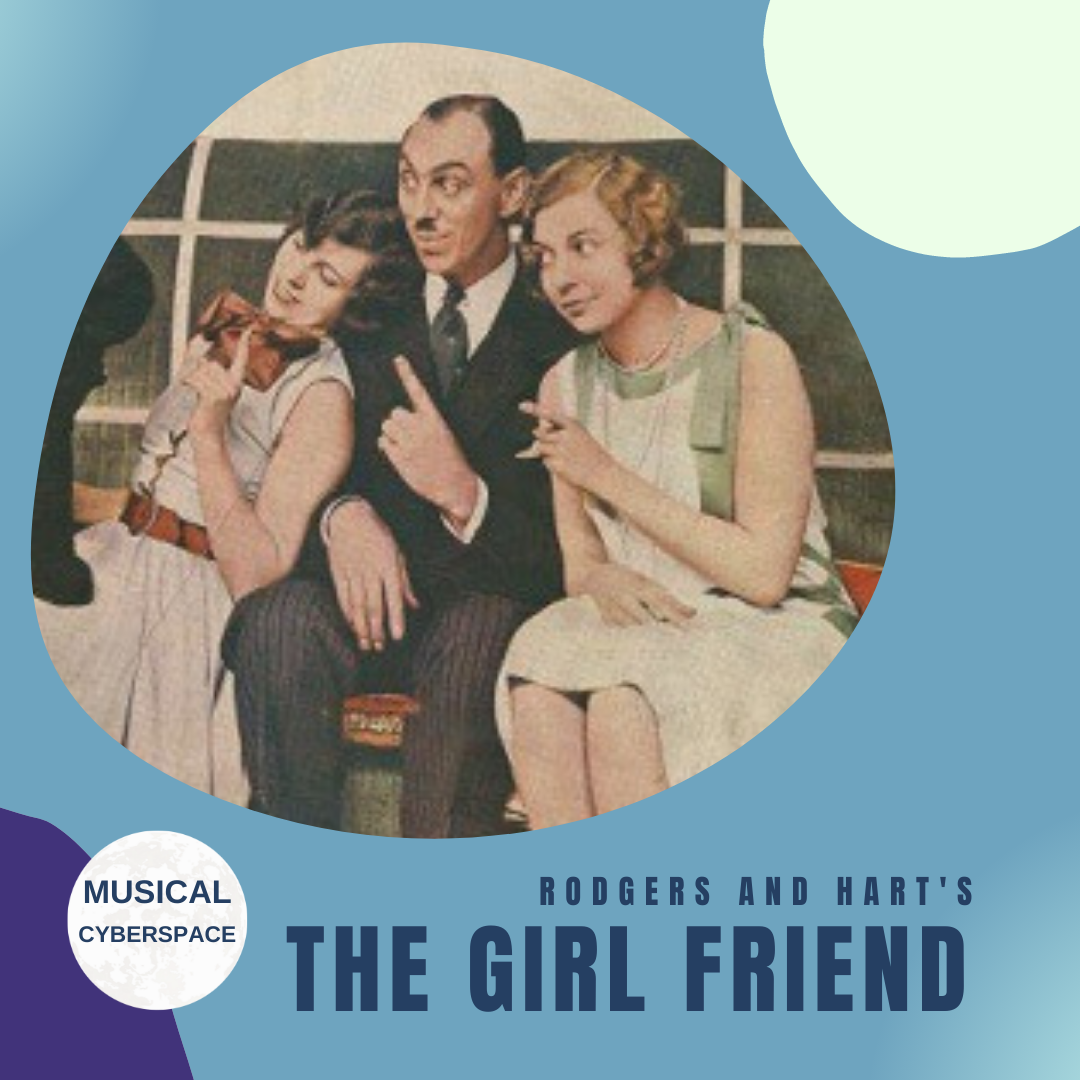
Directed by Ned Wayburn with choreography by David Bennett, the show sported a book by Lew M. Fields and George Campbell – at least according to the Internet Broadway Database. The sheet music that accompanies the above image credits the book to Henry M. Stillman. Meryle Secrest credits it to Stillman and William J. O’Neill in Somewhere For Me. Either way, the story didn’t amount to much, with the plot revolving around a Southern hick who rents the New York apartment of a wealthy bachelor who is supposed to be out of town. This all led to the typical musical comedy antics of the period.

It’s really a pity that there’s not much more to know about Poor Little Ritz Girl. There isn’t a recording of the score available and it’s a score I’ve wanted to hear for a long time. Cue one of the joys of the COVID lockdown: a virtual production of the show from a YouTube channel called “Where the Good Songs Go.” It’s a treat and you should really check out everything else they have to offer!

Keen to share any thoughts about Poor Little Ritz Girl? Head to the comment box below. I’d love to hear them!

Posted in Forgotten Musicals Friday | Tagged , , , , , , , , , , , , , , , , , , | Leave a comment

The Saturday List: Multiple Best Actress in a Musical Tony Winners

Today, there is something of a diva-off at Musical Cyberspace. For this week’s Saturday list, we’re going to rank the multiple-Tony Award winners in the Best Actress in a Musical category, mentioning and sharing video clips of some favourite performances. Eleven actresses have won the Tony award in this category more than once, with Angela Lansbury leading the pack with four wins. But let’s kick off the list with one of the two Broadway divas with a triple win at the Tony Awards.

11. Mary Martin

The much-beloved Mary Martin won three Tony Awards, for her work on South Pacific, Peter Pan and The Sound of Music. With a fourth nomination in the bag, for I Do! I Do!, it is safe to say that she is one of Broadway’s golden age treasures. That said, of all those classic Broadway divas, Martin is one whose appeal doesn’t always resonate with everyone today – especially for those who have no memory of her performing live or who haven’t tracked down video footage of her in action. Nonetheless, her body of work can’t be contested and she put her stamp on a couple of other roles she didn’t originate, including Annie Oakley and Dolly Levi. And of course, if one goes back to the start of her Broadway career, it was her performance of “My Heart Belongs to Daddy” in Cole Porter’s Leave It to Me! (with a book by Sam and Bella Spewack) that made her a musical theatre sensation. This performance of that song is from the 1946 film, Night and Day.


10. Christine Ebersole

Christine Ebersole’s first Broadway musical was On the Twentieth Century in 1978, where she was a replacement Agnes and an understudy Lily Garland. She then played roles like Ado Annie in Oklahoma!, Guenevere in Camelot and Gerta in Harrigan and Hart. She only received her first nomination in 2001, for playing Dorothy Brock in 42nd Street. Luckily, it was the one category to which The Producers – which swept that year’s Tony Awards – could not lay claim and Ebersole beat out Blythe Danner, Randy Graff, Faith Prince and Marla Schaffel to bring home the award. Ebersole’s most compelling role was still to come and in 2006, she started her run as ‘Little Edie’ Beale and Young Edith Ewing Bouvier Beale in Grey Gardens, racking up her second nomination and win. With many film and television credits under her belt too, it’s a pity that this great musical theatre actress hasn’t appeared on the Broadway stage more often in her musicals in a career that spans more than four decades. Here she is, performing “The Revolutionary Costume of Today” from Grey Gardens.


9. Sutton Foster

Many Broadway traditionalists are clutching their pearls at the idea of Sutton Foster’s current gig at the time of writing, playing the traditionally legit soprano role of Marian in The Music Man. As for me, I’m all for new interpretations when it comes to revivals and the buzz from the first previews was great – so let’s see. Foster won her first Tony Award as Best Actress in a Musical playing the titular role in Thoroughly Modern Millie. Having covered roles like Sandy in Grease and Eponine in Les Miserables and appeared in The Scarlet Pimpernel and Annie, Foster then replaced Erin Dilly when Thoroughly Modern Millie transferred to New York. Her success in that show led to performances in Little Women, The Drowsy Chaperone, Young Frankenstein, Shrek and Violet, a set of musicals ranging in quality from mediocre to magnificent. Foster earned nominations for all of them, except Young Frankenstein. In 2011, Foster had her second win playing Reno Sweeney in Anything Goes. Here is she performing “Show Off” from The Drowsy Chaperone, where she was nominated against Patti LuPone, Kelli O’Hara and Chita Rivera and lost the award to LaChanze, who won for her performance in The Color Purple.

8. Lauren Bacall

Lauren Bacall starred in just two Broadway musicals, Applause and Woman of the Year and won Tony Awards for both. One of the great movie stars, Bacall earned herself a third spot in musical theatre history, with her name dropped into “Rainbow High”, one of the songs in Andrew Lloyd Webber and Tim Rice’s Evita. That lyric would be sung on Broadway by another two-time Best Actress in a Musical Tony Award winner, Patti LuPone. It is a testament to how distinctive Bacall was as a star, her gravelly voice being unmistakable in the Charles Strouse-Lee Adams and John Kander-Fred Ebb songs that studded the scores of her two shows respectively. When she passed away in 2014, it was a loss felt by many in the entertainment industry. Here she is at the Tony Awards, singing the best number from Woman of the Year, “One of the Boys”.

7. Donna Murphy

In many ways, Donna Murphy is the thinking man’s diva. When Murphy takes the stage, you can be sure that you’re going to get a layered and beautifully acted performance. There are things that she finds in the roles that she plays that are surprising to see, even in a tried and tested show like The King and I. This trademark of Murphy’s performances was also evident in her ebullient turn in Wonderful Town. Murphy’s other Tony Award was for a role she created, the often but unfairly maligned Passion, in which her knack for getting deep under the skin of her characters was fully on display, as can be seen in the clip of “Loving You” below. Murphy’s most recent Broadway stint was as Bette Midler’s alternate in Hello, Dolly! Let’s look forward to the day we see her above the title in a vehicle suited to her talents once again!

6. Gwen Verdon

Gwen Verdon is famous for two things. Firstly, there is the Bob Fosse link. For many years she was known primarily as Fosse’s muse and it is pleasing to hear increasingly more about her own agency in working with Fosse. Secondly, there is her distinctive voice. Like Judi Dench, she has that catch in her throat that allows the voice to ramp up the pathos or play things up for laughs as needed. Verdon introduced some fine solo character spots in her career, including “Whatever Lola Wants” in Damn Yankees, “If They Could See Me Now” in Sweet Charity and “Funny Honey” in Chicago, but it’s her two numbers with a whole bunch of boys that leave us with the biggest grins, namely “Roxie” (Ethan Mordden does a great breakdown of this number in his book, All That Jazz) and “I’m a Brass Band,” which performed in the clip from The Ed Sullivan Show below. Gosh, she knew how to own a stage!

5. Liza Minnelli

Perhaps if Liza Minnelli’s spot on this list were to be considered with only her two Best Actress Tony Award-winning performances in Flora the Red Menace and The Act in mind, she might not place this high. But Minnelli is a legend. She may not have spent the larger part of her career on Broadway, but in many ways, she represents absolutely the spirit of Broadway. She is “New York, New York.” She is her speech about Ethel Merman before her performance of “Some People” on My Favourite Broadway: The Leading Ladies. She is the great gay icon who dares to sing Sondheim songs in the style of the Pet Shop Boys. Few know how to build a number like Liza, something she’s always had. Here she is at 19, doing just that in “Sing Happy” from Flora the Red Menace.

4. Chita Rivera

With a staggering eight nominations in the Best Actress category at the Tony Awards over a career that spans more than seven decades, Chita Rivera’s wins came for her legendary performances as Anna in The Rink and Aurora in Kiss of the Spider Woman. Rivera is pure class and an absolute pro, elevating everything she lends her name to. She wrote the blueprint for the best kind of Velma in Chicago and scored two further nominations in the Featured Actress category when she wasn’t billed above the title. Rivera wasn’t nominated at all for her legendary breakthrough performance as the original Anita in West Side Story. That year, the Featured Actress category was filled out with some of the leading ladies of the season so she couldn’t get a look in. Anyway, here she is making everything look effortless in “Where You Are” from Kiss of the Spider Woman.

3. Bernadette Peters

Is it possible for anyone not to adore Bernadette Peters? Anytime she appears in a musical, she lights up the stage. And yet for everyone who loved her in Sunday in the Park like with George, there’s someone who didn’t love her Tony Award-winning turn in the title role of Annie Get Your Gun. And for every brickbat thrown her way on a musical theatre message board for her work in Follies, there are a dozen bouquets for her Tony Award-winning performance in Song and Dance. It’s a conundrum. Nonetheless, she’s warm and funny and by all accounts, a brilliant human being. And her concerts are amazing. Here she is in one of them at the Royal Festival Hall in London, performing “Unexpected Song” from that last-mentioned show.

2. Patti LuPone

Patti LuPone will take on anything from challenging roles (winning Tony Awards for Evita and Gypsy) to Andrew Lloyd Webber (enabling her to build The Andrew Lloyd Webber Memorial Pool after the Sunset Boulevard scandal) to photographers in the audience (earning the love and respect of theatregoers worldwide as they listened, somewhat ironically, to the bootleg of her having someone escorted from the house as she headed into “Rose’s Turn” in Gypsy). Bless her, she is even doing her part to bring in audiences after the COVID-19 lockdowns by delivering safety messages as part of the marketing drive of the current Broadway production of Company in which she is playing Joanne. The winning thing about LuPone is how passionate she is about what’s close to her heart – and the theatre is very close to her heart. Her autobiography is an excellent read. Here are some clips from 1980 of LuPone in Evita. She’s a force of nature.

1. Angela Lansbury

Angela Lansbury always refers to herself as a character actress and attributes this as the main thing that has enabled her to play the wide range of roles she has played in her career. On the musical stage, she was definitive as Mame and Nellie Lovett. She is the greatest Rose. Those performances earned her three of her Best Actress in a Musical Tony Awards, the fourth coming from a second-tier Jerry Herman show, Dear World. That wasn’t her only musical flop, though. She started off her musical theatre career in the distinguished flop, Anyone Can Whistle, one of those shows that would have had a longer run had all the people who claimed to have seen it did. What a career transition that was! While her last Broadway musical was the 2009 revival of A Little Night Music, she’s still “bobbing along, singing a song” and introduced the finale of 2018’s Mary Poppins Returns, “Nowhere to Go But Up.” Here’s something from a bit further back though, the footage from her 1974 turn in Gypsy.

And that’s that! Who’s your favourite of these multiple Best Actress Tony Award winners? And who do you think will be next to double up? Head to the comments and let us know!

Posted in The Saturday List | Tagged , , , , , , , , , , , , , , , , , , , , , , , , , , , , , , , , , , , , , , , , , , , , , , , | Leave a comment

Forgotten Musicals Friday: FLY WITH ME

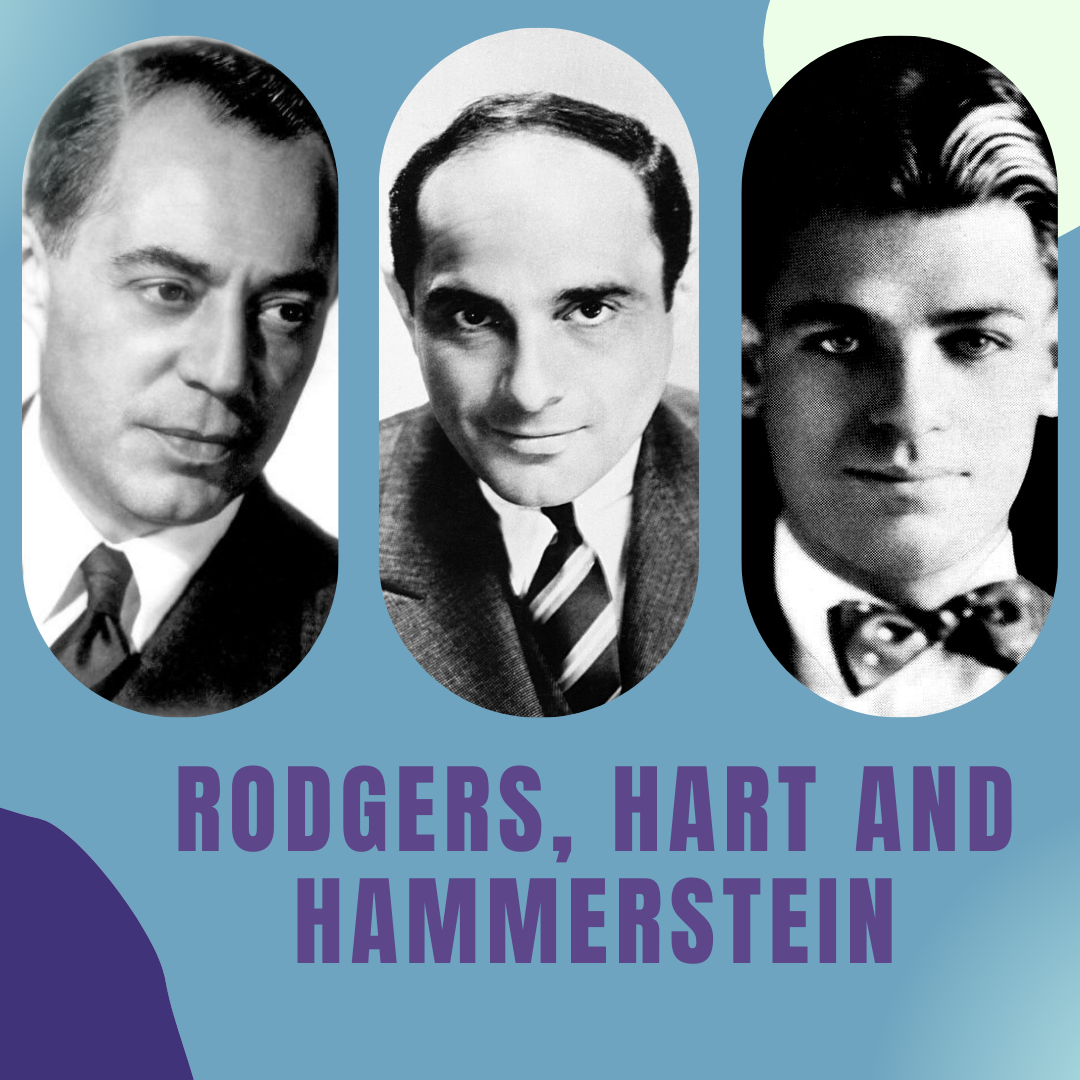
For the first Forgotten Musicals Friday of 2022, we’re jumping back in time more than 100 years to take a look at an early Rodgers and Hart show, one that had some of the first Rodgers and Hammerstein songs thrown in for fun: Fly With Me. The combination of the talents of Richard Rodgers, Lorenz Hart and Oscar Hammerstein II, two of them being students and the third a young professional, makes Fly With Me quite the curiosity piece, perhaps even more so than it might be when simply viewed as a snapshot of the origins of these three theatremakers. This is of course, for the uninitiated, because Rodgers would go on to have extensive separate careers with both Hart and Hammerstein.

Fly With Me was created as an entry for the Columbia Varsity Show competition of 1920, and beat out three other entries to take home the top prize. As student shows are wont to be, Fly With Me is a show that has a clear target audience in mind. Descriptions of the gag-filled storyline, which placed a bunch of students onto a Soviet-ruled island, link closely with what student interests must have been following the Great War and during the revolution of the Russian Empire into the socialist Soviet Union, the latter which was taking place at the time. One of the highlights of the performance was reportedly a group of chorus girls who turned out to be men in drag. Charisma, uniqueness, nerve and talent are so often qualities celebrated by campus audiences, as they deserve to be!

The score of Fly With Me includes many songs typical of the period, including satirical ditties and song-sketches of life with twists of what was considered exotic from an American point of view. Creating the show was a serious business, including a rewrite of the original book. The rewrite was based on another play submitted to the competition by Milton Kroopf at the suggestion of Hammerstein, who was serving as a judge on the panel selecting the winning show that year. Hammerstein’s lyrics were also interpolated into the final product through the inclusion of two songs written for a 1919 show first titled Up Stage and Down and then, with many revisions and Hart serving as its director, Twinkling Eyes. So that he could conduct the orchestra of Fly With Me himself, Rodgers had to join the musicians’ union, thus becoming the youngest conductor in New York.

While there aren’t vast resources when it comes to Fly With Me, there is a cast recording of a 1980 university revival of the show available. What’s so interesting about the show is that certainly sounds of its time, but yet it showcases Rodgers’s genius in creating a musical hook, Hart’s typical wit with emotions at a distance and Hammerstein’s sense of reaching for the poetic. As a historical document, it’s a worthwhile investment for a serious musical theatre fan. Other snippets of information can be found in books like Meryle Secrest’s Rodgers biography, Somewhere for Me, Frederick Nolan’s The Sound of Their Music and Stanley Green’s The Rodgers and Hammerstein Story, all of which were consulted as I put together this post.

Keen to share any thoughts about Fly With Me? Head to the comment box below. We’d love to hear your reactions and insights!

Posted in Forgotten Musicals Friday | Tagged , , , , , , , , | 3 Comments

The Saturday List: The Best WEST SIDE STORY on Record

There are many recordings of Jerome Robbins, Leonard Bernstein, Stephen Sondheim and Arthur Laurents’s classic musical West Side Story on the market: several cast recordings and two soundtracks as well as countless studio recordings and cover versions. More than six decades since the show’s 1957 debut, this is irrefutably one of the great musical theatre scores. To mark the release of Steven Spielberg’s new film and its accompanying motion picture soundtrack, Musical Cyberspace is revisiting a favourite topic: just which recording of West Side Story is ‘the gold-medal kid with the heavyweight crown?

5. Tie: 1985 and 1993 Studio Cast Recordings

Here are two recordings for the price of one, mainly for the completists. The earlier operatic recording of West Side Story includes all the instrumental bits and pieces while the later studio recording based on the Leicester Haymarket Theatre’s production has valuable snippets of dialogue that place the numbers in context. Conducted by Leonard Bernstein himself, the 1985 recording is – star quality aside – miscast. The cast sounds far too old and the delivery is sung with little emphasis on interpretation, let alone acting. There’s no spirit or passion, which are the two things that ignite a good production of the show and which should characterise any good recording of the score. The 1985 recording has only one thing to recommend beyond being complete: Caroline O’Connor as Anita. However, her performance is so energized and committed that she seems over the top in comparison with her mysteriously comatose colleagues.

4. The 1961 Film Soundtrack

The 1961 soundtrack is fine in that it’s a record of the hugely popular film, but the performances generally lack something that makes them truly distinctive. There’s a kind of generic blandness, particularly in Jimmy Bryant’s vocals for Tony and Marni Nixon’s singing as Maria. Bryant could be delivering a vocal for any romantic lead in any musical – there’s nothing particularly “Tony” about it, no defining characteristics that make you remember the character – while Nixon hits the notes and that’s that. While dubbing performers was the standard modus operandi in the good old days of the Hollywood musical, the approach hurt this version of West Side Story in a way that is evident in the lack of colour in the vocals and the “bigger is better” approach to the orchestrations. On the plus side, the recording includes the revised lyrics of “America” in its boy-girl competition song format, an approach that only really made sense once the number was opened up even further in the more recent film adaptation.

3. The 2009 Broadway Revival Cast Recording

While this Broadway revival cast recording of West Side Story can’t – for the same reason that it makes a great addition to a cast recording collection – supplant the original cast recording, the idea of having Sharks largely speak and sing in Spanish was one that transformed the material and which certainly makes for interesting listening. The idea that language can be a weapon as powerful as sticks, rocks, poles, cans, bricks, bats, clubs, chains, bottles, knives and even guns drove this interpretation of the show and offered audiences a new way of connecting with the material. That the approach alienated so many people that the lyrics for “Siento Hermosa” and “Un Hombre Así” were changed back to English during the run only underlined the show’s main conceit. The everyday things that divide us lay the foundations for profound conflict and devastatingly, the world hasn’t changed enough since West Side Story first bowed in the 1950s. In terms of performances, this recording is solid throughout and it is an important one for fans of the show to have.

2. The 1957 Original Broadway Cast Recording

The major plus of the original recording of West Side Story is the original Broadway cast: as an ensemble, they’re just great. They’re raw and passionate, everything you need from a recording of the show. Carol Lawrence (Maria), Larry Kert (Tony) and Chita Rivera (Anita) offer memorable interpretations of their roles and the orchestra provides a reading of the score that is sensitive and spirited. One thing that sets this recording apart from many of the others is the colourful supporting cast and ensemble. There’s an immediate vitality to numbers like “Gee, Officer Krupke” and “Cool” that is simply missing in many other albums. It’s not complete, but that’s a small price to pay for what is really one of the great cast recordings, documenting a seminal moment in musical theatre history. As far as theatrical cast recordings of the show go, it’s still head and shoulders above the rest.

1. The 2021 Film Soundtrack 

There’s an incredible level of polish in the motion picture soundtrack of the newer film adaptation of West Side Story and some standout performances to recommend it. David Newman and Gustavo Dudamel are the perfect guardians for Leonard Bernstein’s score, the layers of which continue to be simultaneously delightful and deeply moving. The definitive moment of this recording – and the film itself in some ways, – arrives in 1961 film alumnus Rita Moreno’s delivery of “Somewhere,” which is pure magic. Rachel Ziegler emerges as a definitive Maria, while Ansell Elgort offers fine interpretations of Tony’s songs, including a recontextualised “Cool” opposite Mike Faist’s mafioso kingpin-in-waiting reading of Riff. Ariana DeBose gives us another fabulous Anita for the books, although it’s a pity that the film didn’t use Lin-Manuel Miranda’s Spanish lyrics from the 2009 revival to further underscore the character’s journey in her relationship with America, as woven into the screenplay by Tony Kushner. Even so, this recording of West Side Story emerges as the one that is just right for right now – and in all likelihood, for some time to come too.

So there you have it. It’s taken almost seven decades for a new recording that can rumble with the Broadway cast recording. All things told, there’s very little to set place one ahead of the other and it is great to have two such excellent albums of the score. What’s your favourite recording of West Side Story? Head to the comments below and let us know what you think?

Posted in Broadway, Cast Recording Reviews, The Saturday List | Tagged , , , , , , , , , , , , , , , , , , , , , | 7 Comments

THE SATURDAY LIST: Five Favourite “Small Cast” Shows

For today’s Saturday List, I thought it might be fun to take a look at some “small cast” shows. By their very nature, these shows are more intimate than the big musicals that play the biggest houses on Broadway, in the West End and internationally. Some are introspective, others are side-splittingly funny – but many are just as moving as their classic, big, blockbuster counterparts.

5. Ordinary Days

Adam Gwon’s Ordinary Days tells the tale of four New Yorkers through a series of songs that range from striking character pieces to poignant philosophical musings. Gwon has spoken of the influence of Virginia Woolf’s Mrs Dalloway on the piece and the influence is clear in the stream of consciousness style of the lyrics as the characters thoughts emerge during their interactions with one another as well as in its use of contemporary New York as a setting in as vibrant a manner as Woolf depicted London in the years following World War I. I think the thing I love most about this show is how Gwon captures the characters at key moments in their lives so distinctively and true to the popular theatrical adage, “the more specific, the more universal,” they resonate with the colours of our own humanity.  

4. A Grand Night for Singing 

I love the songs of Richard Rodgers and Oscar Hammerstein II, and I love A Grand Night For Singing, the revue conceived by Walter Bobbie around this pair of musical theatre giants’ songbook. One of the things I love most about the show is the show is the medleys (including the dazzling opening sequence) and the fun arrangements of songs like “Honey Bun” and “I’m Gonna Wash That Man Right Outa My Hair”. Another great thing about this show is the wonderful cast recording, with Gregg Edelman replacing original cast member Martin Vidnovic. The performers ebulliently make their way through some of the greatest songs in the musical theatre canon. This show radiates sheer joy and it is on my bucket list of shows to do.

3. The Last 5 Years by Jason Robert Brown

I don’t mean to start any arguments about whose side you should be on in this show detailing the love affair of Cathy Hiatt and Jamie Wellerstein from the heady days of their first dates through to the eventual parting of their ways. (It’s Cathy’s.) Also, I haven’t just spoiled the show for you, as the gimmick that holds it together is that we see the story chronologically from Jamie’s perspective and in reverse from Cathy’s. The pair only meet in the middle for one gorgeous duet, “The Next Ten Minutes, ” but each has incredible set pieces, including the earworm to end all earworms, “A Summer in Ohio,” the sweet and sad “The Schmuel Song,” and the power-posing “I Can Do Better Than That.” The versatility of this piece is super, with a 2014 film version putting onto the silver screen what many might have thought unfilmable, and a virtual production set for June in the midst of our current Covid-19 physically distant reality.       

2. Edges by Benj Pasek and Justin Paul

Benj Pasek and Justin Paul really graduated to the big time with their scores for A Christmas Story and Dogfight, two shows that rank amongst the best of their debut seasons. Before those shows, they put together Edges, which is a song cycle dealing with the experiences of young adults coming of age. Sometimes bouncy, sometimes quiet, Edges is one of those shows that has something for everyone. I was fortunate enough to perform in the South African premiere of the show and had a great time with “Along the Way” and its twist ending, the funky “Boy With Dreams” and the heartfelt “I Once Knew”, as well as with “Be My Friend”, the Facebook song. I also loved listening to songs like the moving “Lying There”, the hysterical “In Short” and the not-quite-ready-to-say-I-love-you duet, “I Hmm You”. I really wish there were a cast recording of this show.

1. Marry Me A Little

Craig Lucas, Norman René and Stephen Sondheim’s Marry Me A Little is a simply wonderful little show. It works whether you do it with lots of props and gimmicks or whether you use a simple set and strip it down to just what is needed to communicate the situation and narrative twists and turns. Featuring songs written by Stephen Sondheim for other shows that were cut or from shows that were unproduced at the time, Marry Me a Little deals with two people living in the same apartment block who both have a strong desire to reach out and connect with someone special. They never meet, except in each other’s fantasies, but they do get to sing song great Sondheim tunes along the way, including “Two Fairy Tales”, “All Things Bright and Beautiful”, “Happily Ever After”, “Pour le Sport” and “Who Could Be Blue?” I was able to perform in this show in 2008 and I loved every moment of it. For me, it was a perfect little emotional journey and I know that many of the audience members who attended the show agreed.

What are some of your favourite smaller musicals? Head on to the comments box below and let us know!

Posted in The Saturday List | Tagged , , , , , , , , , , , , , , , , , , , , , , | Leave a comment

THE SATURDAY LIST: Open a New Window on MAME!

Cast album of MAME

The legendary Jerry Herman, Jerome Lawrence and Robert E. Lee musical Mame opened for the first time on Broadway in May 1966. While its anniversary is only tomorrow, if this much-loved titular auntie taught us anything, it’s that any day is a cause for celebration so in the spirit of “It’s Today,” Musical Cyberspace is celebrating the 54th anniversary of Mame with dreams of a revival and who might be a great fit for this star role, one introduced by Angela Lansbury all those years ago.

5. Carmen Cusack

Let’s start with an outlier. Tony Award nominee Carmen Cusack may not have the kind of star power on which producers rely to carry a full-scale mainstem revival of a musical like Mame. On the other hand, she was one of the main draws of the flop musical, Bright Star, with the role of Alice Murphy catapulting her to a whole new level of recognition as a musical theatre performer. She’s also bankable enough to carry a new musical, having had Over Sunset, a new show penned by Tom Kitt, Michael Korie and James Lapine, lined up before the coronavirus pandemic hit. So why not a revival that has a fond legacy to help balance the books? Cusack is charismatic, warm and she has range. She’d likely make good playing Mame.

4. Amy Adams

When Broadway producers need a star that transcends the boundaries of musical theatre fandom, they often turn to Hollywood for someone who can carry a show – an approach which yields mixed results, to be honest. Amy Adams has the singing chops to play Mame and it would be great to see her make a Broadway debut in the role. She’s probably one of the best film actresses never to win an Oscar, despite multiple nominations. Wrapping up her talents in the role in a production that her star power could command could be a winning combination.

3. Sutton Foster

Toni Collette

Two-time Tony Award winner Sutton Foster is a Broadway darling who can be relied upon to carry a show, which she’s done to great acclaim for two decades since her star-making turn in Thoroughly Modern Millie. Having tacked up additional four Tony Award nominations in addition to her wins, it appears that when Foster steps onstage, there’s no stopping her.

2. Audra McDonald

There are a number of Broadway fans who’d love to see six-time Tony Award winner Audra McDonald take on the role. It’d be a gamble, perhaps – Mame doesn’t traditionally sound the way most of us are accustomed to hearing McDonald sing – but then again, McDonald has shown she can do far more than hit the high notes that catapulted her to the status of solid gold Broadway divadom. Certainly, her acting work is rock-solid proof that she has what it takes to play the role and her stint playing Lady Day gave us a sense that there more of a vocal chameleon there than a superficial remembrance of her career to date might spark. She’s also got the star power a revival of this show would need. And there’s much subversive delight to be had when considering how that title number might play and shift with a woman of colour in the role.

1. Toni Collette

When it comes to roles that require the kind of Broadway diva that musical theatre fans adore, there’s hardly a case where Toni Collette wouldn’t be right at the top of the list. The last time Collette led a musical on the Great White Way, it was as Queenie in Michael John LaChuisa’s incredible contemporary piece, The Wild Party, an experience which it appears was difficult for everyone involved. The past being in the past, there have been rumours over the past year that a Scott Rudin-produced revival of Mame with Collette might be on the cards and its a dream match of role and performer over which many a Broadway baby has mused. For my part, I think she’d slay it.

Who else could you see in the role? Anyone want to go to bat for Katrina Lenk or Stephanie J. Block? Feel free to head on down to the comments box to share your dream casting!

Posted in The Saturday List | Tagged , , , , , , , , , , , , , , , , , , , , | 2 Comments

THE SATURDAY LIST: Annie by Annie Gettin’ Her Gun

Ethel Merman in ANNIE GET YOUR GUN

Annie Get Your Gun is 74 years old today! This grand old dame of musical theatre premiered on this day in 1946 – imagine what it must have been like to hear those classic Irving Berlin songs for the first time. This show undoubtedly has one of the great song stacks of the Golden Age musicals. With a book by Herbert and Dorothy Fields, the show has been revived and revised many a time, dropping and adding songs from production to production, with a new curate’s egg of a book written by Peter Stone for a high profile revival in the 1990s. Join me today in celebrating some of the great Annies that have tried to get a main with a gun over the years.

Full disclosure: I’ve never seen any of these performances live – so this isn’t a ranked comparison by any means. (Obviously, I have seen the 1950 film and the 1957 telecast.) Rather, it’s a celebration of performances I’ve enjoyed in the way that every musical theatre kid and superfan on a budget has done for decades – by hunting down every little scrap of everything I can.

1. Ethel Merman

Ethel Merman was the first Annie to ‘sparkle like a crystal’ and in many ways, hers remains the definitive reading of the role. She was 38 years old when she originated the role, playing it once again two decades later in a revival. Opinions differ on what that Annie Get Your Gun was like on stage, some shadily referring to the production as “Granny Get Your Gun,” but on record, its a smash. I discovered this album in high school when I was performing in a community theatre production of the show and I played it over and over within an inch of its life. Classic Broadway.

2. Delores Gray

Annie Get Your Gun was Delores Gray’s first big triumph. Headlining the original London production of the show was a breakthrough for her. Of the early Annies on record, she sounds the most like a singer of the period – the 1940s, that is. Her take on the songs is glossy and glamorous, even when she’s drawling her way through “You Can’t Get a Man with a Gun.” Listening to her recordings, you understand why the songs were such big hits of the time. Her turn of phrase has more or a pop sensibility than the showtune mannerisms of Merman. Both have their place.

3. Mary Martin

John Raitt and Mary Martin in ANNIE GET YOUR GUN

The second Annie who made a major impact stateside was Mary Martin, who led Annie Get Your Gun on tour. More charming than Merman in the role, the more polished second-act Annie peeks out through backwoods Annie’s eyes early on, something that can be seen in the live 1957 television broadcast based on the show. Martin’s disarming performance earned her a Special Tony Award in 1948 for “Spreading Theatre to the Country While the Originals Perform in New York.” One can see why – she just makes you grin from start to finish.

4. Betty Hutton

Betty Hutton always has to bear the yoke of being the person who replaced Judy Garland in the film version of Annie Get Your Gun. I’d even say that she’s more famous for that episode of show business history than she is for what she did with the role. She tackles both the role and the score with exuberance – but the film is a rather uninspired, sing-at-the-camera kind of affair, the adaptations made to the material not really doing much to illuminate it in a different medium.

5. Andrea McArcle

I have such a soft spot for Andrea McArdle. Maybe it has to do with the connection so many kids make with her when they are presented with the original cast recording of Annie. Whatever the reason, I always light up when she pops up on my playlist. Something that never pops up, of course, is her unrecorded stint as Annie Oakley. She was nineteen when she played the role for the San Bernardino Civic Light Opera, rather closer to the real Annie’s age at the time of the events depicted – however far they depart from reality. When you hear McArdle sing songs from the score at that age, there is something genuine that shines through in her voice. Annie’s naiveté never felt so believable.

6. Suzi Quatro

Poster Art for ANNIE GET YOUR GUN

I wonder what people thought when they first heard the news that rock singer Suzi Quatro would play Annie Get Your Gun in a British revival of the show. How would the singer of “Devil Gate Drive” and “Daytona Demon” manage the classic Berin score? The results are preserved on a cast recording in which Annie Oakley has never sounded earthier, Quatro serving more Hutton than Merman in her vocals. She is more memorable than Hutton though, perhaps because she sounds so distinctive. There’s a catch in her voice that knits together her take on the role.

7. Bernadette Peters

There are those who did not love Bernadette Peters in Annie Get Your Gun. Some cry miscasting. Others just can’t get past the revisions. But there’s no business like show business for differing opinions and personally, I’ve enjoyed every smidgen of footage I’ve seen of Peters in the show. The thing is, I guess the issue of whether you like Peters in the role depends on that for which you’re looking. Annie has never been a role that’s depended on an actor disappearing into the role. It was conceived as a diva role, one where audiences delight in seeing the filter through their favourite musical theatre stars. In the context of big-budget musical theatre, it’s also a role that has to be cast with a name big enough to underwrite the show. That’s pretty much what Peters offers. She’s playful when the show calls for broader moments and gives us the vulnerability that is one of her trademarks. Perhaps that’snot everyone’s cup of tea, but it works for me. It also worked for the Tony Award voters in the 1998/1999 season.

8. Reba McEntire

I guess every age has a Merman and a Martin. In the 1940s, Merman put her stamp on the original production, with Martin following in her footsteps. At the turn of the century, Peters’s more Martinesque take on Annie Get Your Gun was followed by the broader Mermanesque stylings of Reba McEntire – a full circle, perhaps? McEntire’s Annie drew universal acclaim and what might have been stunt casting became the stuff of legend. McEntire’s Annie is so unaffected – a perfect marriage of performer and character. Her singing is easy on the ear and her take on the numbers is an idiosyncratic delight.

Reba McEntire in ANNIE GET YOUR RUN

9. Jane Horrocks

Jane Horrocks had the sun in the morning and the moon at night when she took on the role in a production of Annie Get Your Gun opposite Julian Ovenden will opening at the Young Vic in London. The trimmed book cut Tommy and Winnie completely, reallocating  “I’ll Share It All With You” to Dolly and Charlie. Of Annie’s siblings, only Jessie survived the cut and as is standard in contemporary productions of the show, “I’m an Indian Too” was deleted from the score. Accompanied by four pianos, Horrocks tackled with songs in a more jazzy idiom than her predecessors. In an oddly anachronistic touch, video footage showed Horrocks’s Annie receiving medals from historical figures like Winston Churchill and Adolf Hitler. The only response one might have to that: but why?

10. Patti LuPone

Patti Lupone got lost in Patrick Cassidy’s arms in a 2010 concert staging of Annie Get Your Gun at the Ravinia Festival in Chicago. Under the direction of Lonny Price, the presentation of the Fields version of the show was staged to celebrate the 150th anniversary of Annie Oakley’s birth. Also featured in the company was George Hearn in the role of Buffalo Bill Cody. LuPone’s performance and strong notices put paid to the bitchy whispers about whether the esteemed Broadway diva was pushing the envelope age-wise at the age of 61. Merman, one might recall, was 58 when she played the role in the 1966 revival and that was a full-scale production – so why raise such quibbles for what must have been a fabulous concert?, PuPone of course, had sung the role in concert before opposite Peter Gallagher. It’s a treat to hear her belt out the songs like its nobody’s business.

There are many other Annies to celebrate – Barabra Eden, Debbie Reynolds, Kim Criswell, Judy Kaye and Susan Lucci among them. Who’s your favourite?

Posted in The Saturday List | Tagged , , , , , , , , , , , , , , , , , , | Leave a comment

THE SATURDAY LIST: So Much “Happiness,” So Much PASSION!

Today is the day in 1994 that Stephen Sondheim and James Lapine’s Passion began its 280-performance run, still the shortest run of the shows that have won the Tony Award for Best Musical. 26 years after its premiere, it remains the most hotly debated and divisive show among Sondheads, the most devoted of its composer’s fans. Some people cannot handle its intensity; others find its ferocity its greatest pleasure. There are those who find it simply melodramatic; they are countered by people who celebrate it as a searingly honest reflection of the human condition.

And that’s before the topic of what Passion explores is even raised. Is it about love? Does it substitute obsession for love? Does its title refer to romance? Extreme desire? Suffering? Sondheim himself has said that the show is about ‘how the force of somebody’s feeling for you can crack you open and how it is the life force in a deadened world.’ Thus, in actuality, it is about all of these things. When one recognises this, to paraphrase Fosca, in the end, you finally see what is beautiful about it.

In that spirit, let’s take a moment to celebrate this lush musical. Here are my five favourite musical scenes from the show – with an honourable mention to “I Wish I Could Forget You.”

5. “Happiness

Radiance. If I had to sum up this song in one word, that would be it. Were it just the opening number of Passion, this is all it might be – and it would be enough. But “Happiness” is so much more than a scene-setter, so much more than exposition. “Happiness” gains more power in its appearances as a motif in the show, with musical fragments reappearing at key moments and words in both dialogue and song compelling us to interrogate its sentiments. Sung at first by Giorgio and Clara, its eventual utterance by Fosca near the show’s end is heart-rending.

4. “Garden Sequence

Passion is full of expertly crafted musical scenes, tiny vignettes that shift from dialogue to song and back again. The “Garden Sequence,” which uses the letters between Giorgio and Clara to enable the scene to comment on itself, is one of my favourites. We see Giorgio toying with words he has shared with Clara as he talks to Fosca, and she sees through him. The love that Giorgio will eventually feel for Fosca is foreshadowed here, with Clara narrating the process as it slowly begins to manifest. The allegory of Passion reveals to us how we are all caught like Giorgio between what the world tells us is light (Clara) or dark (Fosca), an idea perhaps best illustrated in this section of the show. Of course, we’re only protecting our own lightness and darkness onto those we love, so what we discover in the end may be surprising.

3. “Loving You

What is so incredible about this complex score with its motifs that are so expertly arranged and inverted and manipulated and juxtaposed is how it distils itself into moments of such pure simplicity. It is like a light that shimmers through crystals, dancing about onto some surface and then, when the conditions are just right, projects a rainbow into our lives. “Loving You” is one of those rainbow moments. The show’s detractors are quick to argue that what Fosca articulates is not love, but how many of us haven’t defined ourselves in this way, by a love that isn’t returned, and still called it love? There is a reason that Barbra Streisand was able to massage this song into a relatively conventional romantic pop duet with Patrick Wilson: what it says connects with our universal experience of love, including the lies we tell ourselves about it. Fosca at least has the awareness to realise that what she feels and acts upon is out of her control. How many of us are ready to admit that?

2. “I Read

“I Read” is as brilliant an introduction to a character as there ever was. It captures Sondheim at his most poetic in a lyric that is as layered and evasive in some moments as it is forthright and literal. Though this song, he makes Fosca, like Rousseau’s Julie who she has just mentioned, a great mystery. Fosca, who is as broken in her soul as she is in her body, somehow becomes someone in whom we see our own selves and our own desires to free ourselves from whatever breaks us. It’s disquieting, masterful theatre-making.

1. “No One Has Ever Loved Me

Those who wonder what Passion is about might do well to listen to the penultimate song in the show, one of Sondheim’s most beautiful creations as it puts into words what so many of us seek in our lives: ‘Love without reason, love without mercy, love without pride or shame.’ That’s what passion is, not something ‘pretty or safe or easy’. This moment of catharsis is just one of the things makes Passion worth the journey.

Want to share why Passion is special to you? Feel free to head on down to the comments box to share your favourite moments with me.

Posted in The Saturday List | Tagged , , , , | Leave a comment

THE SATURDAY LIST: Happy Birthday, “Sunday”!

SUNDAY IN THE PARK WITH GEORGE Logo

Does anyone still finish a hat? Stephen Sondheim and James Lapine certainly had when Sunday in the Park with George made its Broadway bow on this day in 1984. The Pulitzer Prize-winning musical is one of the great musicals of that decade, a show written when Sondheim was working his way out of the pits of despair into which Merrily We Roll Along had thrown him. Working in a new creative context with a new collaborator at a time when he must have been questioning his own artistry must certainly have added something to Sunday in the Park with George, which grapples most profoundly with what it means to be both an artist and a human being.

To celebrate this blue, purple, yellow, red anniversary of a green, purple, yellow, red musical theatre gem, here’s my list of the five most graceful, sophisticated and imaginative moments that make the show so special to me.

5. “Sunday”

For sheer beauty, there is little to top “Sunday” in the musical theatre canon. It is the kind of song during which one can hardly breathe. Sondheim sets a single sentence to music that swells and swells until it reaches its climax. And when your breath returns, the tears flow. Forever…

4. “Finishing the Hat”

“Finishing the Hat” captures – as does “Color and Light” earlier in the show – the simultaneous torture and joy of making art. It is such an intimate moment, stripping down the making of art to the instant when artists are at their most powerful and their most vulnerable: the moment of creation. It captures how artists, no matter the medium in which they work, get to a place of connection in which there is an understanding of everything that defines our humanity, ironically by disengaging themselves from the real world and people that surround them. Knowing that George can make a hat ‘where there never was a hat’ makes us understand why he treats Marie the way that he does. It also shows us how she hurts him as much as he hurts her. It sets up the layers of pain that come to light in “We Do Not Belong Together” and lays the foundation for everything that can happen when things come together on a perfect “Sunday.”

Sunday in the Park with George Poster 1984

3. “Putting It Together

“Putting It Together” is a song that I love as much for its life outside of the show as for what it says inside it. I first heard the Julie Andrews version created for the show that took its name from the song, which shifts the artist’s process to a performer’s. Different words, but the sentiment remains the same – a prime example of how specificity can prompt universality. While it perhaps doesn’t cut close to the bone in as obviously an emotional manner as other songs in the show, it does prompt other questions about what it means to make art today – questions that I think we are facing even now as the world comes to grips with what Covid-19 will mean for the arts in general. That aside, I find this song and the scene that is built around it so rhythmically exciting, a completely thrilling ride to its neatly punctuated conclusion.

2. “Move On

My experience of this song has been: “The longer you live, the truer it gets.” So much of modern life seems to be about grappling with feeling trapped by a world that doesn’t care whether you exist or not, about getting stuck in a rut, about being unable to connect with something that gives your life meaning. It offers the ultimate life lesson: ‘Anything you do, / Let it come from you.’ This is probably the most fulfilling thing anybody can do – and finding the courage to do this is all (!) it takes.

1. “Children and Art

I’m sure that I would not be alone in naming this really unassuming song as my favourite in the score of Sunday in the Park with George. I find it phenomenally moving, this simple sentiment expressed through the character of Marie in an almost glancing manner. The effect of placing the painstakingly crafted lyrics within such an expertly constructed piece of music – suited to both the concept that unites the score (the short musical phrases that make up the whole, in the way that the dots come together to form the image in the painting) and the character (whose age is reflected in the lack of long phrases and the placement of the song in the voice) – is pure magic. It is a superb piece of work.

Want to share why Sunday in the Park with George is special to you? Feel free to head on down to the comments box to share your favourite moments with me.

Posted in The Saturday List | Tagged , , | Leave a comment