
| Music | John Kander |
| Lyrics | Fred Ebb |
| Book | Fred Ebb and Bob Fosse |
| Source | Chicago by Maurine Dallas Watkins |
| Premiere | Broadway: 1 June 1975 (936 performances) Direction and Choreography: Bob Fosse |
| Further Productions | West End: 1979 (debut), 1997, 2018 Broadway: 1996 |
| Adaptations | 2002 Film Adaptation |
| Other Media | 1997: The Making of the London Chicago (BBC/Bravo) 2018: The Big Audition (ITV) |
| Licensing | Concord Theatricals |
Background and Context
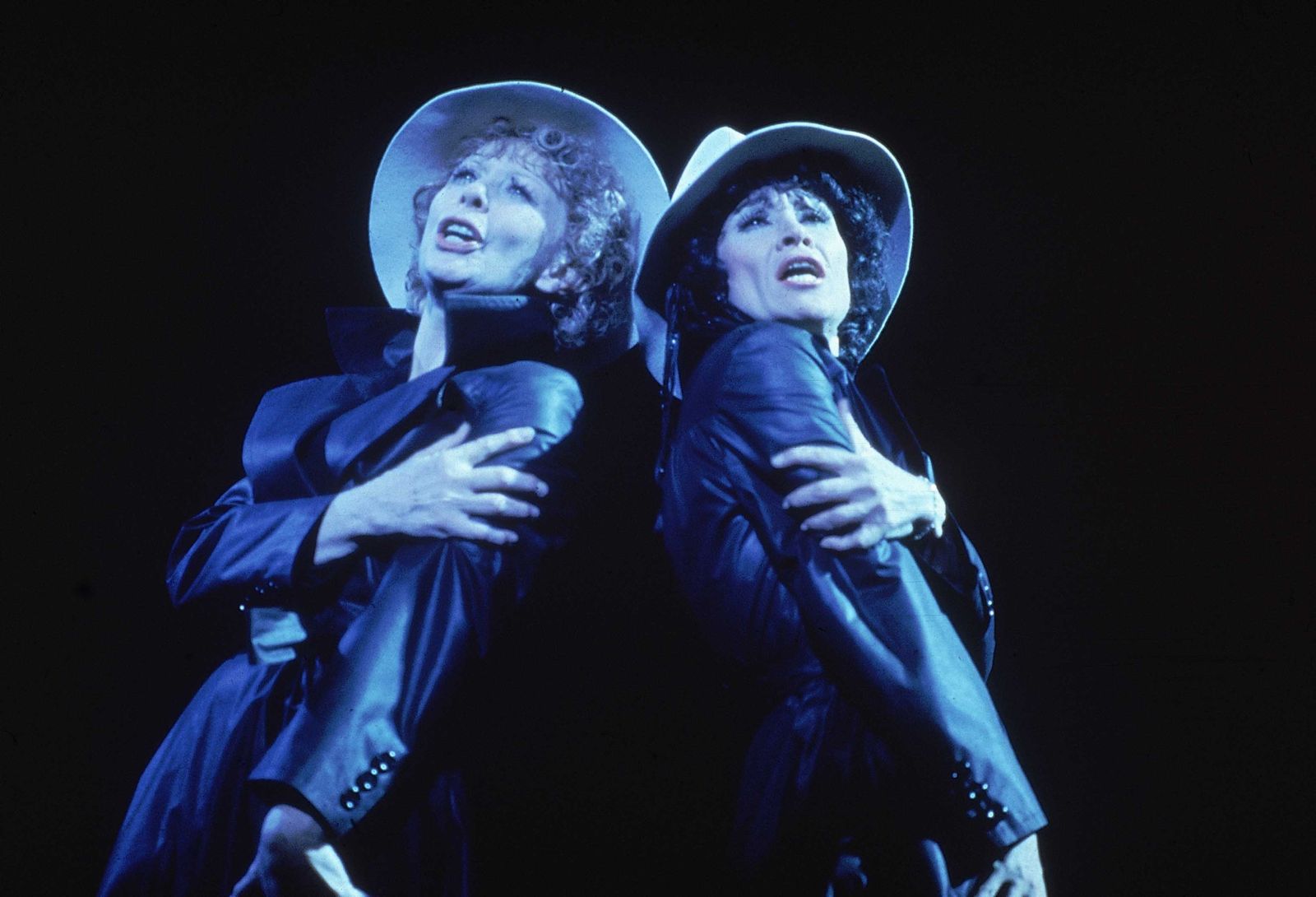
Chicago was based on a 1926 play by Maurine Dallas Watkins, a journalist who covered the 1924 trials of Beulah Annan and Belva Gaertner, both of whom were tried for murder and acquitted of their crimes. Like the musical it inspired, Chicago was a satire of the corrupt administration of justice in the 1920s and the criminal celebrity culture associated with it. Four decades later, Gwen Verdon read the play and suggested the possibility of a musical adaptation to Bob Fosse. Although they tried to buy the rights several times, Watkins was not supportive of a musical adaptation of the play. After she died in 1969, Watkins’s estate sold the rights – and the rest is history. John Kander and Free ebb created the now-classic score, with each song referencing a particular vaudeville performer or act. The result? A show that brought the show’s juxtaposition of the judicial system and show business right up to date.
| BEFORE | |
| 1928: In Berlin, Bretolt Brecht and Kurt Weill write The Threepenny Opera, blending jazz, oompah, cabaret and classical music to tell the tale of Macheath and his exploits, which include robberies, murders, rapes and arson. 1940: Richard Rodgers, Lorenz Hart and John O’Hara write Pal Joey, a musical set in the nightclub scene of Chicago, in all of its seedy glory. 1966: John Kander, Fred Ebb and Joe Masteroff explore using the act of performance as a metaphor through which to explore social issues in Cabaret, which, like Chicago, would also return in a popular revival in the 1990s. | |
| AFTER | |
| 1979: Stephen Sondheim and Hugh Wheeler delve even deeper into the relationship between justice, crime and murder in Sweeney Todd: the Demon Barber of Fleet Street, which uses – at times, an especially in the number “A Little Priest” – some of the musical vocabulary of music hall. 2011: Frank Wildhorn, Don Black and Ivan Menchell put real-life murderers Bonnie & Clyde on stage, putting their folk hero criminal status under the spotlight. 2013: Robert L. Freedman and Lorenzo Thion’s A Gentleman’s Guide to Love and Murder, based on Roy Horniman’s Israel Rank: The Autobiography of a Criminal, sees whether young Monty Navarro can murder his way out into an earldom, once again asking whether crime can pay. |
Synopsis and Musical Numbers
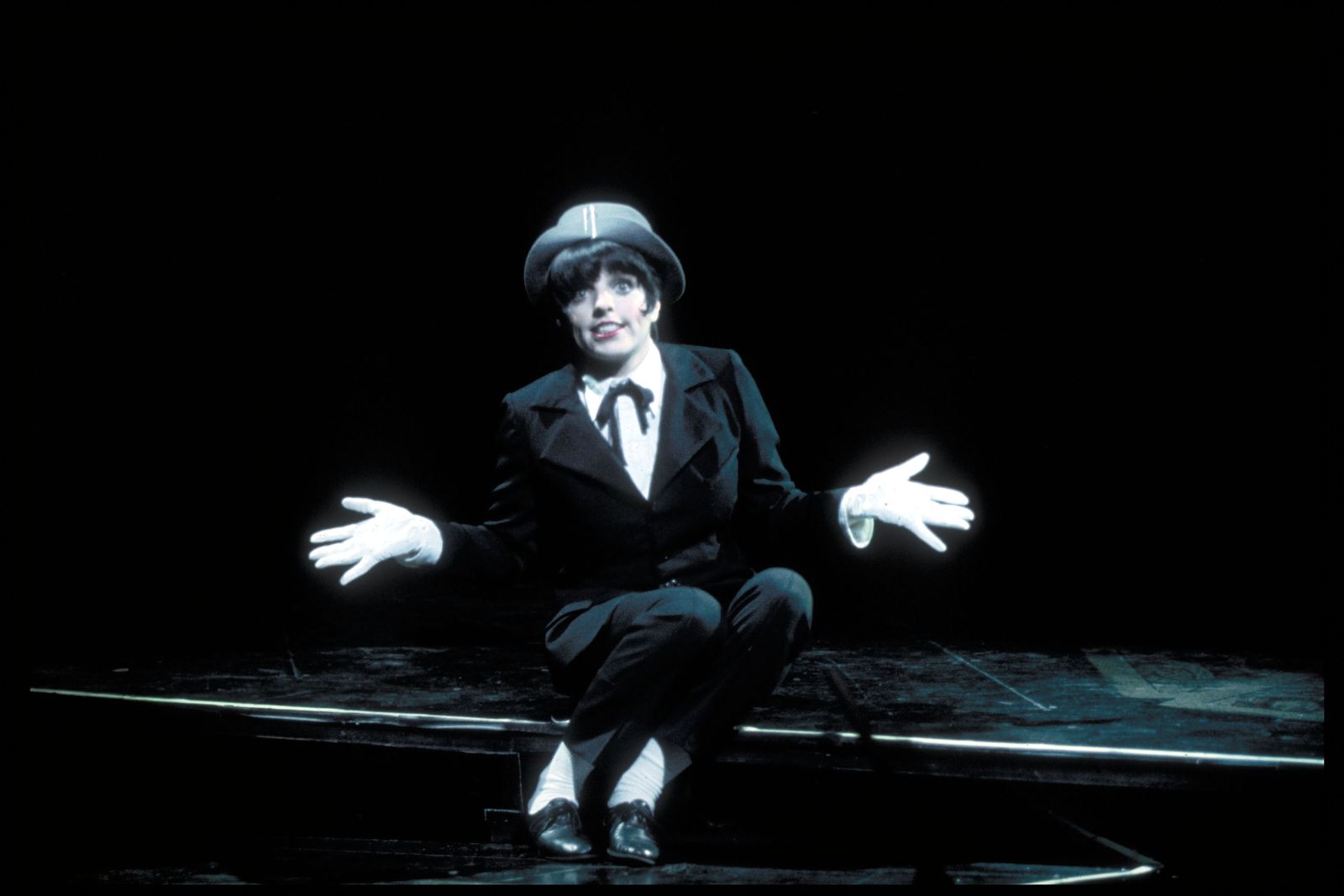
As the “Overture” ends, the audience is introduced to Velma Kelly, a vaudevillian star who shot the other half of her sister act when she caught her husband in flagrante delicto with her sister. Velma invites us to sample “All That Jazz,” showing us the story of chorus girl Roxie Hart’s cold-blooded murder of nightclub regular Fred Casely.
Roxie convinces her husband, Amos, that the victim was a burglar, and he cheerfully takes the rap. Roxie expresses her appreciation to her “Funny Honey” until the police reveal the burglar’s identity to Amos. When he realises that Roxie was having an affair with Fred, Amos decides to let her fend for herself.
Roxie’s first taste of the criminal justice system is the women’s block in Cook County Jail, which is inhabited by Velma and several other merry murderesses (“Cell Block Tango”). The women’s jail is presided over by Matron “Mama” Morton, whose system of mutual aid perfectly suits her clientele (“When You’re Good to Mama”). She has helped Velma become the media’s top murderer-of-the-week and is acting as booking agent for Velma’s big return to vaudeville after her acquittal.
Velma is not happy to see Roxie, who is stealing not only her limelight but also her lawyer, Billy Flynn. Eagerly awaited by his clientele, Billy arrives, selling himself as a lover of justice for his fellow human beings – especially the women (“All I Care About”). Billy takes Roxie’s case and re-arranges her story for consumption by Mary Sunshine, a sympathetic tabloid columnist who always tries to find “A Little Bit of Good” in everyone. Roxie’s press conference turns into a ventriloquist act with Billy dictating a new version of the truth while Roxie mouths the words (“We Both Reached for the Gun”).
Roxie becomes the toast of Chicago (“Roxie”), leaving Velma’s headlines, trial date and promising career in the dust. Velma tries to talk Roxie into recreating the sister act (“I Can’t Do It Alone”). Roxie turns her down, only to find her own headlines replaced by yet another sordid crime of passion. Separately, Roxie and Velma realise there is no one that they can count on but themselves (“My Own Best Friend”), and the ever-resourceful Roxie decides that being pregnant in prison would put her back on the front page.
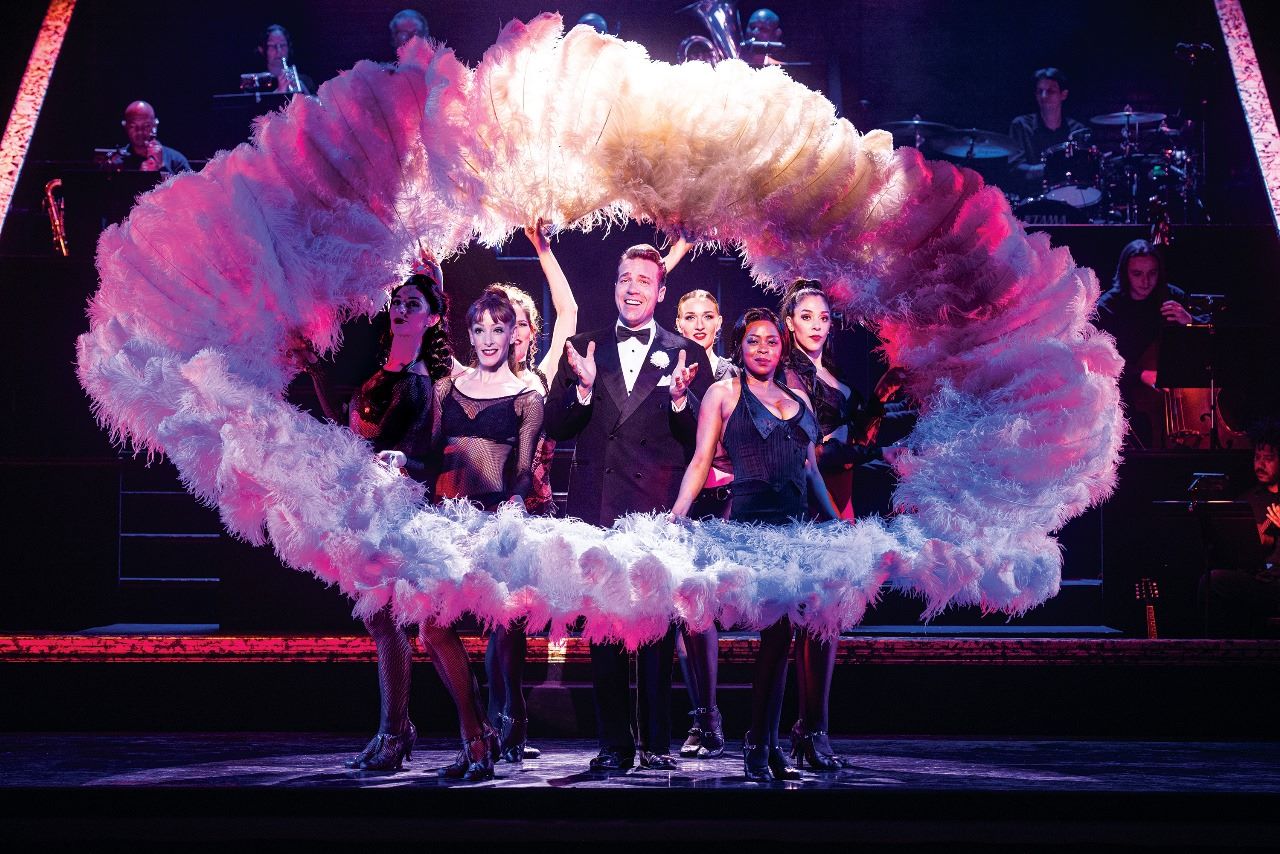
After the “Entr’acte,” Velma cannot believe Roxie’s continuous run of luck (“I Know a Girl”) despite Roxie’s obvious falsehoods (“Me and My Baby”). A little shy on the arithmetic, Amos proudly claims paternity. Nobody notices him (“Mister Cellophane”). Velma desperately tries to show Billy all the tricks she has planned for her trial (“When Velma Takes the Stand”). Billy’s forte may be showmanship (“Razzle Dazzle”), but when he passes all Velma’s ideas on to Roxie, down to a pair of rhinestone shoe buckles, Mama and Velma lament the demise of “Class.” As promised, Billy gets Roxie her acquittal.
As the verdict is given, an even more sensational crime pulls the pack of press bloodhounds away, and Roxie’s fleeting celebrity is over. Left in the dust, she pulls herself up and extols the joys of life, “Nowadays.” She teams up with Velma in a sister act, and they dance their hearts out (Hot Honey Rag”), after which they are joined by the entire company for a grand “Finale”.

Character Descriptions and Vocal Ranges
| Character | Range | Description |
|---|---|---|
| Velma Kelly | Alto (E3-D5) | A vaudville performer who is accused of murdering her sister and husband. Hardened by fame, she cares for no one but herself and her attempt to get away with murder. Aged 25 – 40. |
| Roxie Hart | Mezzo-Soprano (F3-B4) | Roxie’s faithful husband. Lies for her and tries to take the blame until he realises that he has been two-timed by Roxie. Still in love with her, or misguided, he believes anything she says in her pursuit to get out of jail. Aged 30 – 50. |
| Amos Hart | Baritone (C3-F#4) | Roxie’s faithful husband. Lies for her and tries to take the blame until he realizes that he has been two-timed by Roxie. Still in love with her, or misguided, he believes anything she says in her pursuit to get out of jail. Aged 30 – 50. |
| Liz | Alto (A3-C#5) | Prisoner at Cook County Jail. She is imprisoned after shooting two warning shots into her husband’s head. Aged: 18-45. |
| Annie | Alto (A3-C#5) | Prisoner at the Cook County Jail. Murder’s her lover after finding out he already has six wives: ‘One of those Mormons, ya’ know.’ Aged: 18-45. |
| June | Alto (A3-C#5) | Prisoner at Cook County Jail. After her husband accuses her of screwing the milk man, he mysteriously runs into her knife ten times. Aged: 18-45. |
| Hunyak | Non-singing | Hungarian Prisoner at Cook County Jail. The only English she speaks is the phrase, ‘Not Guilty.’ Which follows her to her grave. Aged: 25-45. |
| Mona | Alto (A3-C#5) | Leader of the prisoners of Cook County Jail. The total essence of corruption. Accepts bribes for favours from laundry service to making calls to lawyers. “When you’re good to Moma, Moma’s good to you.” Aged: 30-50. |
| Matron “Mama” Morton | Alto (F#3-B♭4) | Leader of the prisoners of Cook County Jail. The total essence of corruption. Accepts bribes for favours from laundry service to making calls to lawyers – ‘when you’re good to Moma, Moma’s good to you.’ Aged: 30-50. |
| Billy Flynn | Baritone (B♭2-G4) | Established lawyer who hasn’t lost a woman’s case yet. Master of media manipulation who will get a girl off the hook as long as she can fork up the hefty $5 000 fee. Aged: 35-50. |
| Mary Sunshine | Soprano (B♭3-B♭5) | Steals the spotlight when she Murders her husband along with three other women. Her crimes are labeled “Lake Shore Drive Massacre.” Aged: 21-40. |
| Go-to-Hell Kitty | Alto (A3-C#5) | Roxie’s short-lived lover. Murdered for trying to leave Roxie. Aged 30 – 50. |
| Fred Casely | Ensemble | Roxie’s short lived lover. Murdered for trying to leave Roxie. Aged 30 – 50. |
| Sergeant Fogarty | Ensemble | Assigned to Roxie’s case. After asking the right questions, he manages to get Roxie to confess. Aged 35 – 55. |
| Martin Harrison | Ensemble | Doubles as the Master of Ceremonies at times. Aged: 35-55. |
| Harry | Ensemble | Court court-appointed lawyer for Hunyak. He tries to get her to confess to speed along the trial. |
| Aaron | Ensemble | Court-appointed lawyer for Hunyak. He tries to get her to confess to speed up the trial. |
| Judge | Ensemble | Judge overseeing Roxie’s Trial. Aged: 40-65. |
| Court Clerk | Ensemble | Swears people in with their hand on the bible. ‘Blah, Blah, Truth, Truth. Selp-you God.’ |
The show includes an ensemble, many of whom play the ensemble roles listed above.
 Musical Cyberspace