
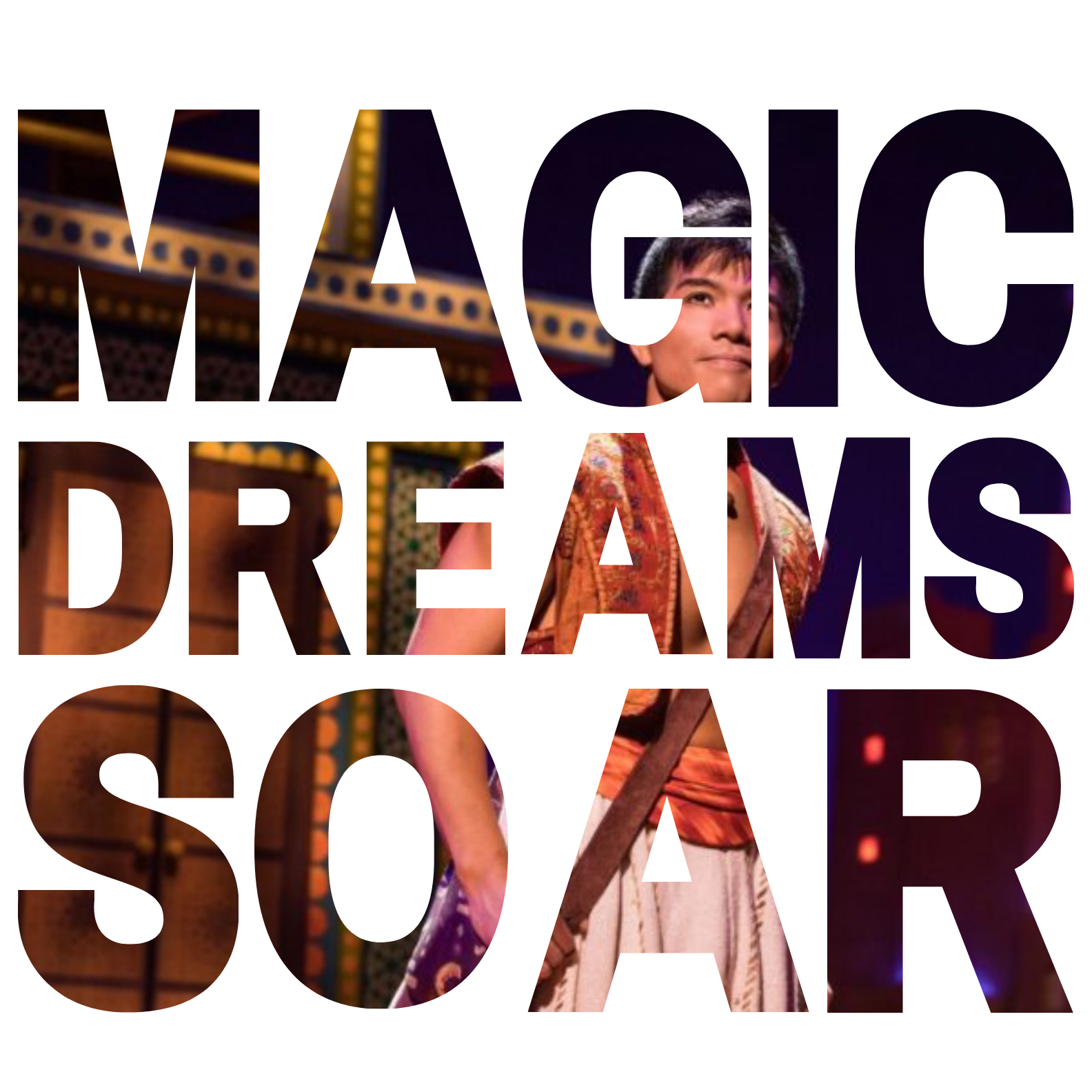
Based on Disney’s 1992 film adaptation of “Aladdin; or, The Wonderful Lamp” in One Thousand and One Nights, Aladdin premiered on Broadway on 23 March 2014, following developmental runs in Seattle and Toronto. A West End production followed in 2016. The musical features a book by Chad Beguelin, and a score featuring music by Alan Menken and lyrics by Howard Ashman, Tim Rice and Chad Beguelin. The original Broadway production is still running, having been performed for more than 3 200 performances so far. Rights are available from MTI for three different editions of the show, namely Aladdin Jr, Aladdin Kids and Aladdin Dual Language Edition.
The Story
A timeless tale in a whole new world.
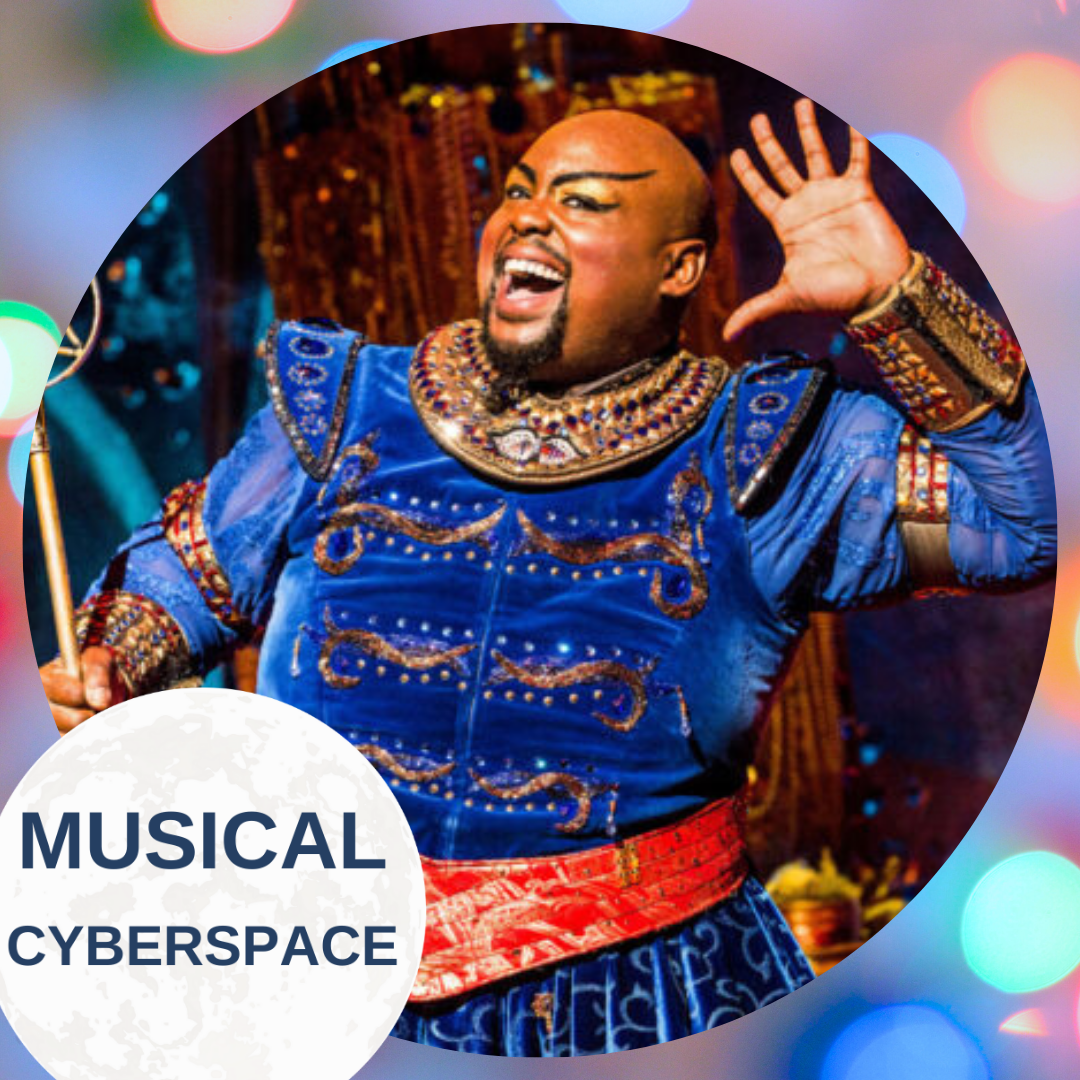
A Genie welcomes the audience to the bustling streets of Agrabah, a place full of revered nobles and nameless misfits – but where even the most humble people can rise to greatness. Agrabah is ruled by a kind-hearted Sultan, whose daughter, Jasmine, rejects suitor after suitor, much to his dismay. Meanwhile, the Sultan’s treacherous Grand Vizier, Jafar, hopes to usurp the throne and has sought out the mysterious Cave of Wonders to use the powerful magic of a Genie hidden there to take over the kingdom. As only a “diamond in the rough” may retrieve the Genie’s lamp, Jafar sends Aladdin, a charming street urchin, to do the job. But when Aladdin tries to pocket some gold coins, the Cave of Wonders angrily seals itself, trapping him inside. Aladdin rubs the lamp, and the wish-granting Genie appears. Aladdin uses his first wish to free himself and embarks on a quest to win Jasmine’s heart and outwit Jafar with his newfound power.
Commentary
Since the release of the film in 1992, Aladdin was a firm favourite with most of the wide audience base that Walt Disney Pictures had built up since the release of The Little Mermaid just three years earlier. The most financially successful film of the year, Aladdin won the Academy Awards for Best Original Score and Best Original Song (for “A Whole New World”) and racked up a slew of nominations and awards at other ceremonies at the time.

Despite its largely positive reception, the film was criticised – legitimately – by the American-Arab Anti-Discrimination Committee, who protested a lyric in “Arabian Nights”, where the country was described as one ‘where they cut off your ear if they don’t like your face’ and the portrayal of the films heroes compared with that of its villains, with Aladdin and Jasmine appearing more anglicised than the darker-skinned and more grotesque Jafar and Razoul. The former criticism was addressed in subsequent releases of the film; the latter issue has never been addressed, with the character designs locked in for every return of the franchise in the medium of animation.
I remember the film version of Aladdin with fondness. Although it’s not my favourite film of the so-called Disney Renaissance and the problems with the film’s approach to its source material become more and more apparent the more one becomes aware of how white privilege played itself out in the making of the film, I certainly spent enough time hopping around the living room singing “One Jump Ahead” and auditioning for high school talent shows with “A Whole New World” to make news about the stage musical interesting to me.
When the show was being developed in Seattle in 2011, Alan Menken described it as the “freshest” of the Disney Theatricals adaptations. There are some obvious key differences between the film and the stage show. The animal sidekicks have gone, with Aladdin being given a trio of sidekicks (Babkak, Omar, and Kassim) to replace Abu and Jasmine a chorus of handmaidens that attend to her needs to replace Rajah. Even Iago is transformed from a parrot to a human henchman for Jafar.
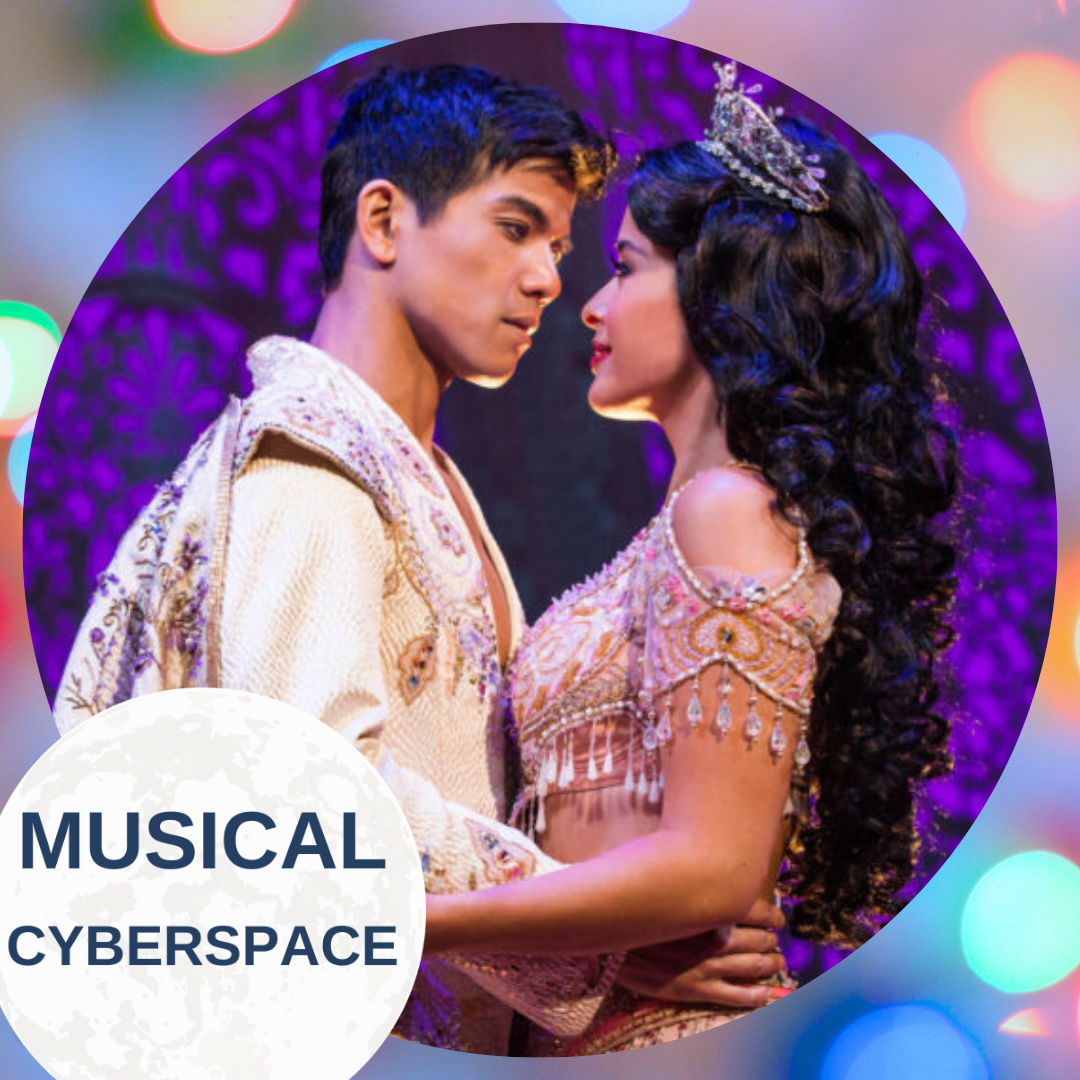
As with any Disney Theatricals adaptation, the score has many revisions too. In Aladdin, this included adding songs that were written for the film by Menken with his longtime partner, Howard Ashman, but which were cut when the film changed direction in storytelling after Ashman’s death (“Proud of Your Boy”, “Babkak, Omar, Aladdin, Kassim” and “High Adventure”), as well as the incorporation of new songs with lyrics Chad Beguelin (“These Palace Walls” (which replaced another Ashman-Menken song originally written for the film, “Call Me a Princess”), “A Million Miles Away”, “Diamond in the Rough” and “Somebody’s Got Your Back”. Beguelin also wrote lyrics for some of the reprises of numbers that originally featured lyrics by Ashman and the film’s second lyricist, Tim Rice. Beguelin actually does a pretty great job knitting together the two lyrical styles of Ashman (whose heart was laid bare in his lyrics as often as his skill for wit) and Rice (whose trademark wordplay is often lamentably self-evident as such.)
The live production also offered opportunities to make reparation in response to the issues raised around representation in the film. With Aladdin having been written by a quartet of white men, its interaction with Middle Eastern perspectives has been the subject of numerous columns and blogs throughout its development and run. It is interesting to note that on the one hand, when Aladdin made its bow on Broadway in 2014, the cast reportedly featured no actors of Middle Eastern descent. On the other hand, it featured many cast members that represented several other ethnic minorities.
The stage show also pushes to achieve the tone of “road pictures,” a gag-heavy series of comedy films based around exotic destinations such as Singapore, Zanzibar, Morocco and Bali and which starred Bing Crosby, Bob Hope, and Dorothy Lamour. Those films represent a mid-century view of non-white ethnic groups, much in the same way that Aladdin treats the Middle East and its inhabitants. Agrabah was never intended to be an authentic depiction of the Middle East and on stage, it is filtered through the framework of 1940s and 1950s Hollywood depictions of the region. The world of Kismet becomes the backdrop for a buddy show, where the buddies happen to be a teenage boy and a magical genie, a throwback to Ashman and Menken’s original ideas for the film.

The question, I suppose, is to what extent any of this is problematic. Certainly, the original approach created the gap for controversial lyrics and styles of characterisation, which were noted by the American-Arab Anti-Discrimination Committee – criticisms which I support without hesitation. There is also the scene in the film where a fruit vendor threatens to chop off Jasmine’s hand, a distortion and reduction of Islamic law.
Incidentally, there’s one aspect of the film that I truly miss in the stage adaptation. Eric Goldberg, who animated the Genie, is on record saying that he viewed the Genie as Jewish, accounting for the Yiddish references that dot the film. Although the idea is not overt in the film, Goldberg indicated in interviews on the DVD release of the film that in some small way he was trying to bridge the gap between Jews and Arabs by depicting the developing relationship between the Genie and Aladdin, that reconciliation between these two cultures is a possibility. With the re-conception of the Genie as a “Cab Calloway, Fats Waller type,” that meaningful gesture is sadly eliminated in the stage production.
With the Broadway show still running, Aladdin – which was received positively by critics – seems set to follow in the internationally successful footsteps of Walt Disney Theatrical Productions hits like Beauty and the Beast, The Lion King and Mary Poppins. Whether or not one considers there to be any concrete problems because of Aladdin’s use of a fabulous and folkloric Middle Eastern setting, I think it is essential for parents to have discussions with their children when they watch the film or the show about these ideas. It is just as essential, in my opinion, for any school staging one of the available licensed adaptations to develop learning materials for both the performers and children in the community who will be in the audience that help to dismantle any stereotypes the show puts forward and to find, in their staging of the piece, the most ethical strategy for bringing the production to life.
David Fick
Want to discuss Aladdin? Read more about the show and participate in discussions on Musical Cyberspace here.
 Musical Cyberspace