
It’s a tough time in the world right now. When it feels easier to keep your head down, musical theatre reminds us how powerful it can be when we speak up, find each other and take a stand. These five numbers trace a journey through a series of songs sung by young people, first tentatively finding their voices before transfiguring them into a full-throated chorus of change.
5. “The Telephone Hour” from Bye Bye Birdie (1960)
In 1960, the teenagers of Sweet Apple, Ohio, buzz with excitement during a phone call in Bye Bye Birdie. “The Telephone Hour” is all gossip and giggles, but its chattering, overlapping calls also capture the first stirrings of a collective teen identity. This is where people, especially young people, start finding a voice. It’s not yet a movement, by any means, but it’s already a network. It’s also a moment in musical theatre that recognises a connection that exists beyond what we see face-to-face. Here, the teens use the technology of telephones to reach out to one another after school. In this show, it’s humorous and thrilling – and it’s a sign of what’s to come. Did Charles Strouse and Lee Adams have any idea what they started?
4. “Unruly Heart” from The Prom (2018)
Almost 60 years after Kim MacAfee made waves in Ohio, Emma Nolan started a queer revolution in her Indiana bedroom. Her heartfelt ballad about being true to herself becomes a viral online message for other LGBTQIA+ teens. Written by Matthew Sklar and Chad Beguelin, “Unruly Heart” from The Prom shows how one authentic voice can spark a community, transforming isolation into solidarity. By the time the show reaches its finale, “Unruly Heart” is a unifying refrain: the very people who were once divided now sing together, celebrating Emma’s courage and the power of authenticity to draw a whole community into the light.


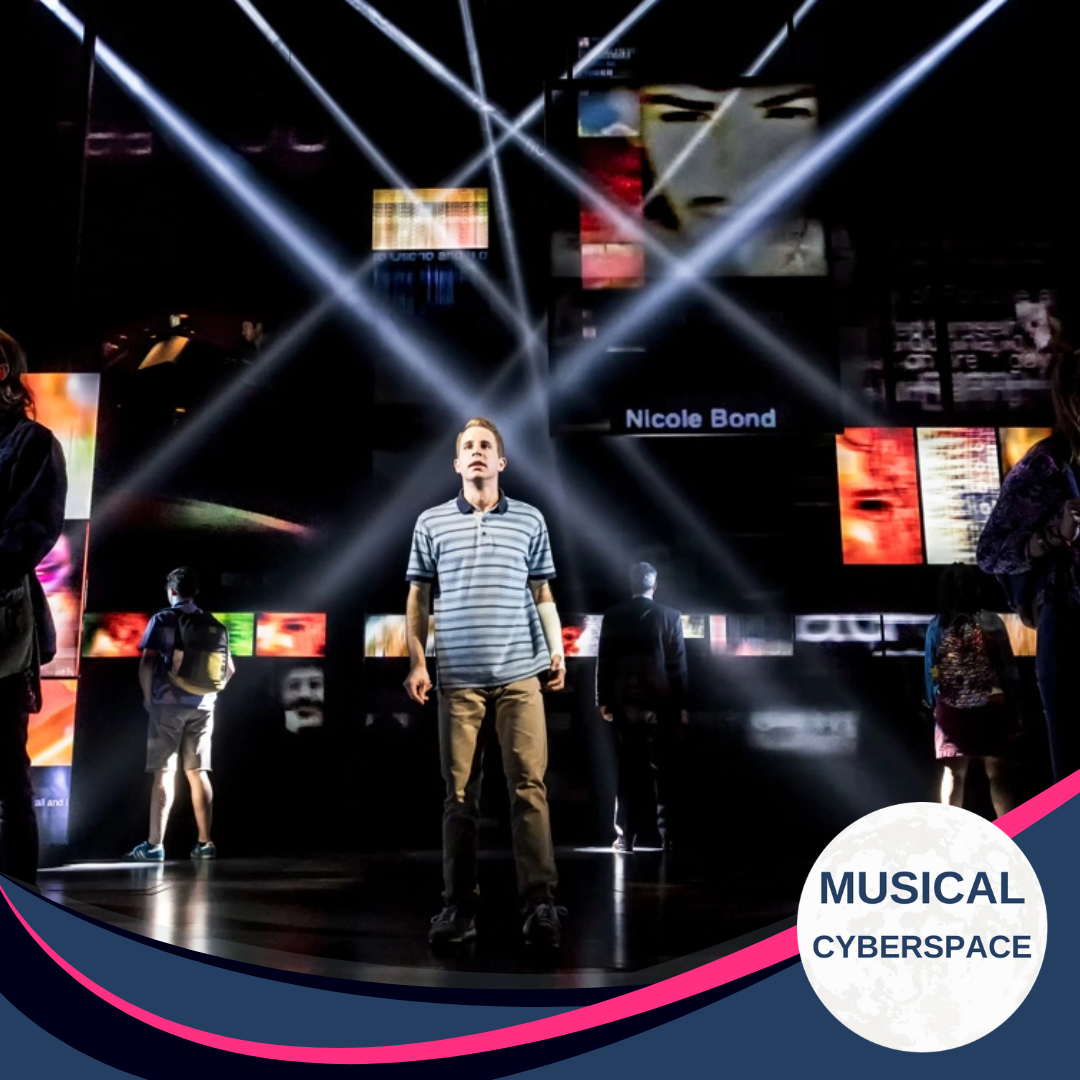
3. “You Will Be Found'” from Dear Evan Hansen (2016)
Evan’s speech begins as a halting attempt to comfort his classmates at a memorial, but social media carries it far beyond his school’s walls. The stage fills with projections of screens, posts and video replies until Benj Pasek and Justin Paul’s anthem becomes a worldwide chorus of hope. Although Dear Evan Hansen has drawn criticism for how it depicts Evan’s deception and the ethics of his choices, “You Will Be Found” rises above the controversy. In performance and in the lives of many audience members, it has become an anthem of reassurance and solidarity, a reminder that even when you feel invisible, someone is listening, and you’re not alone.
2. “Seize the Day” from Newsies (2012)
In Newsies, Jack Kelly rallies the newsboys of New York to strike for fair pay. The number starts with a single call to action and swells into a full-company march, complete with stamping feet, raised fists and soaring harmonies – the sound of a movement being born. When the original Disney movie came out in 1992, “Seize the Day” became a personal anthem for me as a young musical-theatre fan; its message of youthful courage and collective action felt like permission to dream bigger and stand taller. On stage and screen, Alan Menken and Jack Feldman’s song continues to capture that intoxicating moment when young people realise they can change their world together.
1. “Do You Hear the People Sing” from Les Misérables (1985)
Written by Claude-Michel Schönberg, Alain Boublil and lyricist Herbert Kretzmer, this anthem takes its cue from the real student-led June Rebellion of 1832. In Les Misérables, Enjolras and his friends are idealistic young men in their late teens and early twenties – law students, medical students, apprentices – who transform their convictions into action on the barricades. “Do You Hear the People Sing?” captures that surge of youthful passion but also hints at something larger: that the courage, integrity and solidarity you discover when you’re young can continue to fuel you as you grow older. No wonder this song has become a rallying cry far beyond the theatre, sung by protesters, choirs and communities across the world.


Why These Songs Matter Now
Each of these numbers starts with a single spark – a phone call, a confession, a speech, a strike, a rallying cry – and grows into something bigger than itself. Together, they chart a path from speaking up to standing up. For me, this is more than an interesting theatrical device; it’s a model for how theatre can help us respond to our world today. Revisiting these songs and shows, I’ve realised that we need a revolution to save us from the devolution we’re seeing around us right now. We can’t afford to drift into cynicism or silence. Like the young characters in these songs, we have to seize the day, raise our unruly hearts and join the chorus to fight for what’s right. These numbers remind us that change begins when one person dares to sing, and that we can be even stronger when we all sing together.

 Musical Cyberspace