
Today marks the anniversary of Memphis Bound!, an often overlooked detour in the diverse highway of musical theatre history. An African-American adaptation of H.M.S. Pinafore that swapped Victorian seamen for jazzmen and choristers, it’s one of several times William Gilbert and Arthur Sullivan’s operettas have been reimagined within a Black cultural framework. While purists might bristle at the idea, these reinventions have often done something that even their original creators might admire: they subvert power with panache and show how satire can swing in all directions. To celebrate the 80th anniversary of Memphis Bound‘s Broadway opening, we’re listing four African-American adaptations that took the topsy-turvy world of G&S and turned it inside out and upside down.
4. The Swing Mikado (1938)
First staged in Chicago as part of the Works Progress Administration’s New York Federal Theatre Project, The Swing Mikado transferred to Broadway after a five-month run for 86 performances. Based on The Mikado, the show switched up the original’s Japanese setting for a tropical island, while following its plot closely. Some of the dialogue was rewritten to approximate a Black dialect, based rather more on an idea of what might be than historical accuracy. Gentry Warden rearranged a handful of the show’s hits in swing style, incorporating dance breaks that could accommodate sequences based on the popular jitterbug, truck and cakewalk styles of the time. The show was significant because of its funding from the New Deal’s Federal Theatre Project, creating work, in this case, for the entirely African-American cast. Was The Swing Mikado a truly decolonial intervention? Arguably not. While it celebrated Black performance, it also leaned into stereotypes that complicate its legacy. At best, The Swing Mikado rattled the cage of operetta’s whiteness, perhaps even unintentionally.
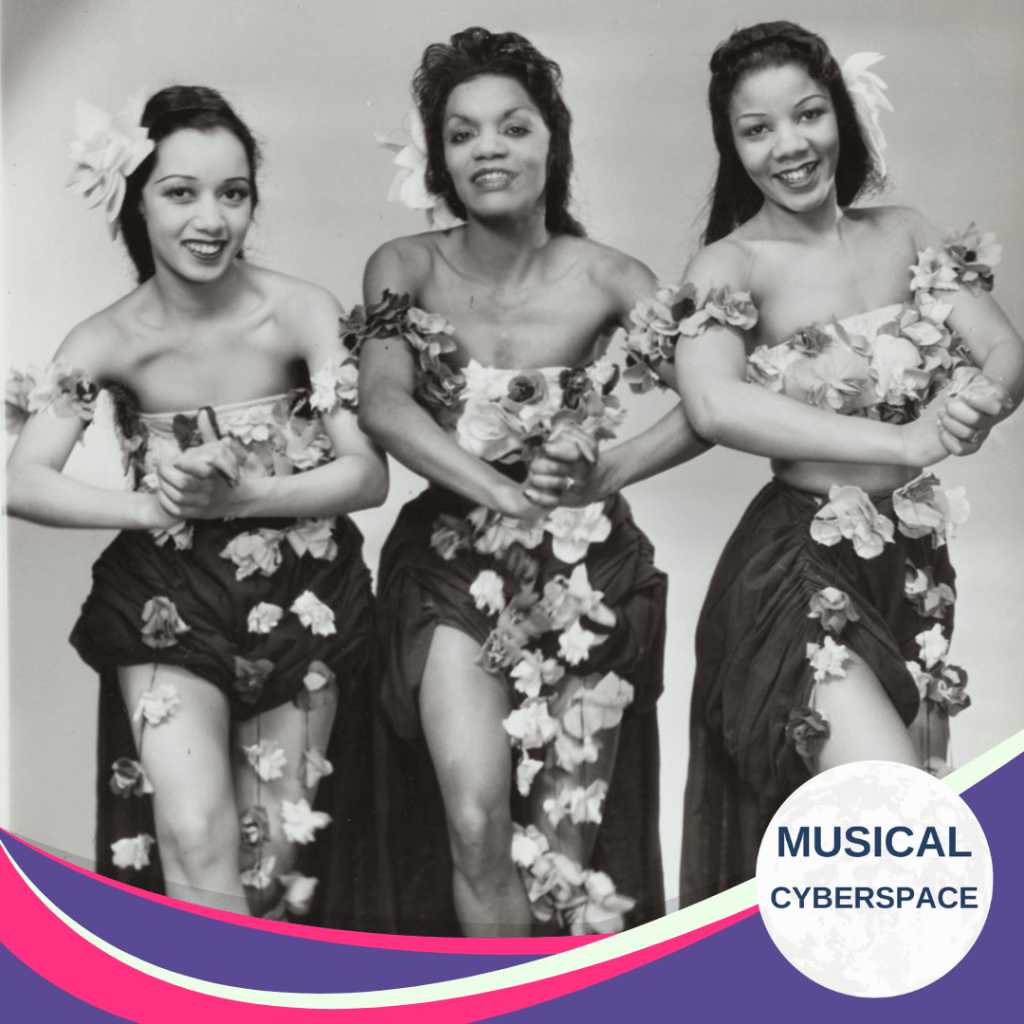
3. The Hot Mikado (1939)
Hot on the heels of The Swing Mikado, The Hot Mikado opened on Broadway midway through its predecessor’s run. It would run for 85 performances, and for part of that time, the two shows played across the street from each other. Producer Mike Todd was inspired by The Swing Mikado, but the Works Progress Administration turned down his offer to manage that production. Todd decided to channel his inspiration into an all-new production, adapting the book himself and hiring Charles L. Cooke to complete the musical arrangements. Part of Todd’s revenge was making everything The Swing Mikado did bigger and better, transforming a cultural artefact into a showbiz phenomenon. The Hot Mikado was glamorous, and the new big-band arrangements for the score, complete with gospel interludes, made for some sizzling dance sequences in the hands of the show’s choreographer, Truly McGee. The cast included Bill “Bojangles” Robinson as The Mikado, and there was plenty of spectacle on stage thanks to Nat Karson’s scenic and costume designs. All in all, this show was more about style than subversion; that said, the mere act of centralising Black artistry at the centre of a Gilbert and Sullivan classic was still radical in a segregated America.
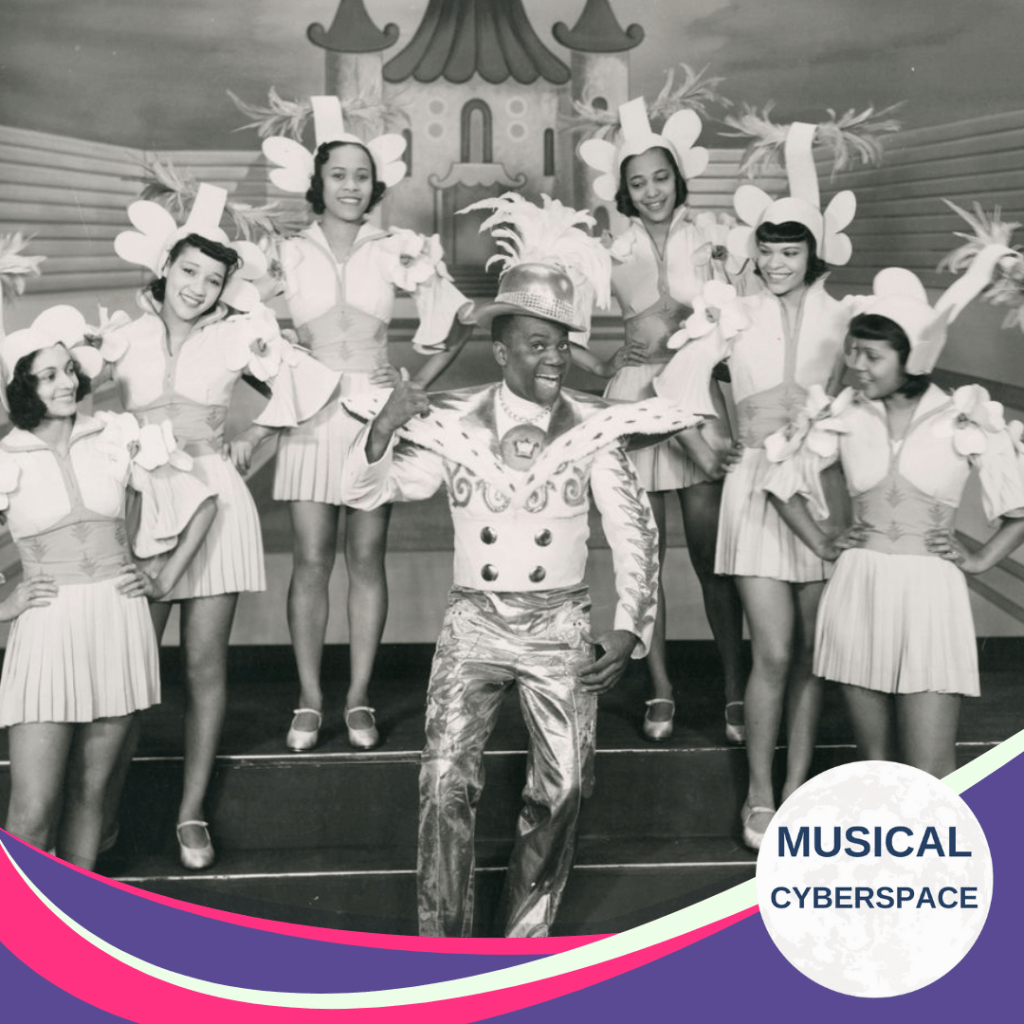
2. Memphis Bound! (1945)
Broadway took a break from The Mikado and the next musical in our list – the reason for the season, one might say – was based on H.M.S. Pinafore. Memphis Bound! would also play a little more freely with the original’s plot and structure, with book writers Albert Barker and Sally Benson using the framing story of performers on a showboat, the Calliboga Queen, performing H.M.S. Pinafore to raise funds when the Calliboga Queen runs aground and they cannot afford to refloat it. When the company is arrested for performing without a license, the frame story interpolated additional Gilbert and Sullivan material from Trial by Jury. Four original songs – “Big Old River,” “Stand Around the Bend,” “Old Love and Brand New Love” and “Growing Pains” – were also written for the show by Don Walker and Clay Warnick, who tied everything together with ragtime, boogie-woogie and swing orchestrations. Like The Hot Mikado before it, Memphis Bound! was another vehicle for Bill Robinson. Sadly, it shuttered after only 36 performances, following a mixed critical reception. For its time, it was the most ambitious attempt at restaging Gilbert and Sullivan’s comic operas from a distinctly African American perspective.
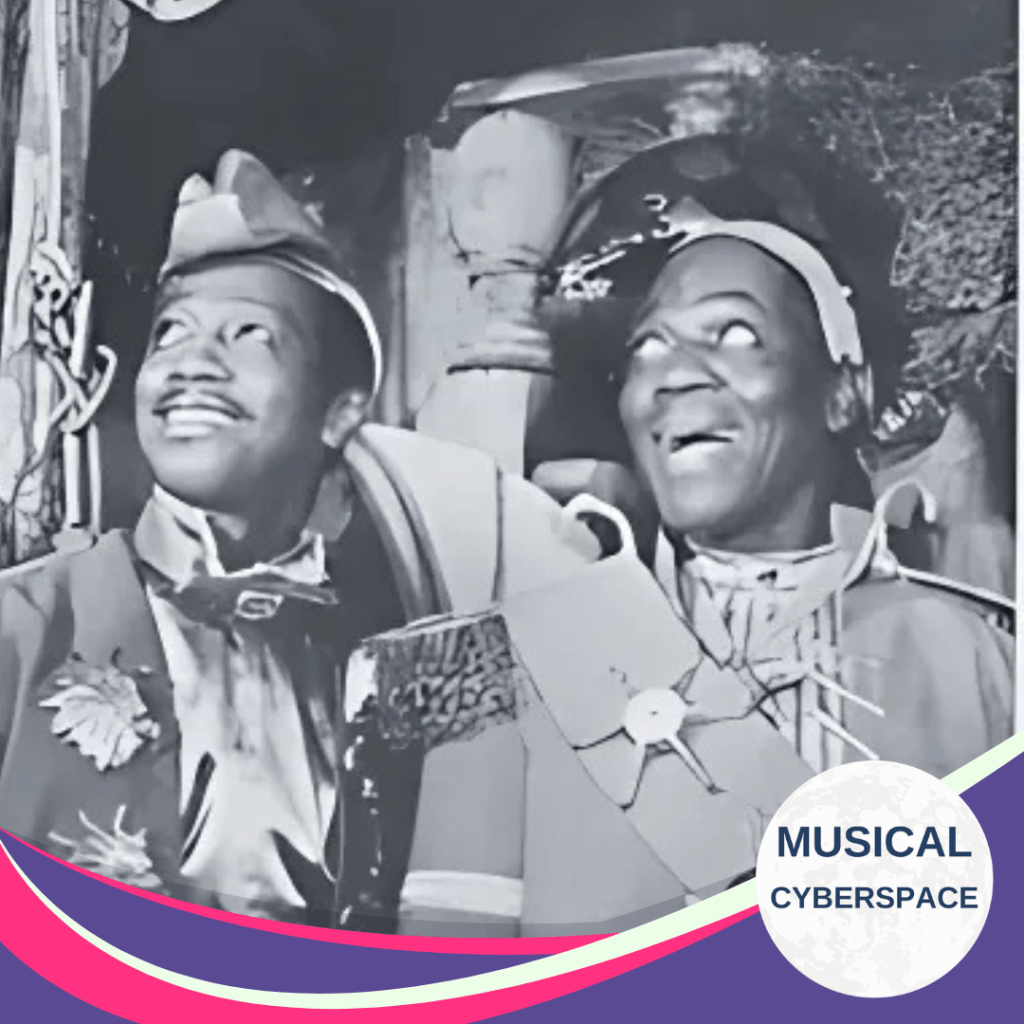
1. The Black Mikado (1975)
It would take another three decades for a more deliberately decolonialised Gilbert and Sullivan adaptation, another version of The Mikado, to appear on stage. It would also be conceived away from the United States, in the United Kingdom, where it would run on the West End for 475 performances. In an odd footnote, the production would also be performed at the height of apartheid in South Africa. This latter staging was produced by Des and Dawn Lindberg, the first mainstream West End musical production ever to play in Soweto, where it ran at the Diepkloof Hall in May 1976. Adapted by Janos Bajtala, George Larnyoh and Eddie Quansah, The Black Mikado featured a significantly retooled score, incorporating reggae, calypso, funk and soul arrangements. The plot reframed things with a deliberate critique of the British Empire’s territories, dominions, colonies, protectorate and dependencies, casting a white Mikado – the only white character in the piece – in the role of an uptight English colonial official who represents the Empire’s interests on a Caribbean island. The original satire of The Mikado – already recognised as problematic by this time – was refreshed using the era’s growing postcolonial consciousness. The Black Mikado was witty, sharp and musically vibrant, offering an actual re-theorising of what a Gilbert and Sullivan show could be.

From swing to soul, these four reimaginings of Gilbert and Sullivan form part of a movement that doesn’t simply recast musicals with African-American performers, but also increasingly reclaim and rebuild the stories from the ground up. Some lean into spectacle, others into satire. The current Broadway production of Gypsy is a part of this tradition and it is sadly surprising how much resistance productions like these still encounter. With Audra McDonald in the title role and a directorial vision from George C. Wolfe that positions Rose as both a legacy and a disruption, it reminds us how even classics can be revoiced with fresh urgency. Nonetheless, each opens space for Black artistry in a canon long dominated by white voices. Productions like these remind us that even the stuffiest corners of the repertory can and should be upended. After all, isn’t that what Gilbert and Sullivan were doing all along?

 Musical Cyberspace